
The 2017 National Electrical Code (NEC)‚ published by NFPA‚ establishes safety standards for electrical installations.
It’s a vital resource‚ with the 2017 edition approved in June 2016‚ and readily available as a pdf document for professionals.
What is the NEC?
The National Electrical Code (NEC)‚ specifically the 2017 edition‚ is a comprehensive set of guidelines for safe electrical installations. Published by the National Fire Protection Association (NFPA)‚ it’s recognized and adopted across the United States‚ ensuring consistent electrical safety practices. The NEC isn’t a law itself‚ but is often incorporated into state‚ local‚ and municipal laws.
This widely-used standard details requirements for everything from wiring methods and overcurrent protection to the installation of electrical equipment. Accessing the 2017 NEC as a pdf allows for easy searching and referencing of specific articles and sections. It’s a crucial document for electricians‚ inspectors‚ engineers‚ and anyone involved in electrical work‚ promoting public safety and minimizing electrical hazards.
Importance of Using the 2017 Edition
Utilizing the 2017 NEC‚ often accessed as a convenient pdf‚ is paramount for ensuring electrical system safety and compliance. Building codes frequently reference specific NEC editions‚ making adherence essential for legal installations and inspections. The 2017 edition incorporates updated safety provisions based on research and real-world experience‚ addressing emerging technologies and potential hazards.
Employing older codes can lead to unsafe conditions and potential legal ramifications. The pdf format of the 2017 NEC facilitates quick access to critical information‚ aiding professionals in accurate installations. Staying current with the NEC demonstrates a commitment to best practices and protects both individuals and property from electrical risks. It’s a foundational document for responsible electrical work.
Target Audience: Who Needs This Code Book?
The 2017 NEC‚ readily available as a pdf‚ is crucial for a diverse range of professionals. Licensed electricians absolutely require it for compliant installations and exam preparation. Electrical engineers utilize the code during design phases to ensure safety and adherence to standards. Inspectors rely on the NEC to verify installations meet required regulations.
Furthermore‚ electrical contractors‚ apprentices‚ and even those in related fields like construction management benefit from understanding the NEC. Anyone involved in the installation‚ maintenance‚ or inspection of electrical systems should have access to this vital resource. The pdf version offers convenient portability and searchability for on-the-job reference‚ ensuring informed decision-making.

Understanding the Structure of the 2017 NEC
The 2017 NEC‚ often accessed as a pdf‚ is organized into chapters covering general information‚ project planning‚ building systems‚ and utilization of equipment.
Chapter 1: General Information
Chapter 1 of the 2017 NEC‚ frequently consulted in its pdf format‚ lays the foundational groundwork for safe electrical practices. This crucial chapter doesn’t delve into specific installation details‚ but rather establishes the overall scope and purpose of the Code itself. It defines key terms‚ clarifies the NEC’s limitations – emphasizing it’s not a design manual – and outlines the responsibilities of those who utilize it.
Understanding the introductory material within Chapter 1 is paramount. It clarifies how the NEC interacts with local amendments and legally mandated regulations. Furthermore‚ it details the process for proposing changes to the Code‚ ensuring continuous improvement and adaptation to evolving technologies. Accessing this information via the pdf version allows for easy searching and referencing of these fundamental principles.
Chapter 2: Planning Electrical Projects
Chapter 2 of the 2017 NEC‚ easily navigable within the pdf document‚ focuses on the critical initial stages of any electrical undertaking; This section guides users through the essential considerations for effective project planning‚ ensuring compliance and safety from the outset. It emphasizes the importance of understanding load calculations‚ proper circuit design‚ and selecting appropriate wiring methods.
Specifically‚ this chapter addresses the intricacies of branches and feeders‚ alongside the crucial aspects of services and grounding conductors. Utilizing the pdf’s search function allows quick access to relevant articles and tables. Careful planning‚ informed by the NEC‚ minimizes potential hazards and ensures a reliable‚ code-compliant electrical system. Thorough review of Chapter 2 is vital before commencing any installation work.
Branches and Feeders
Within the 2017 NEC pdf‚ detailed guidance on branches and feeders resides in Chapter 2‚ crucial for effective electrical system design. Branch circuits deliver power to individual loads‚ while feeders carry electricity from the service to the branch circuits. Understanding the distinctions and requirements for each is paramount.
The NEC outlines specific rules for conductor sizing‚ overcurrent protection‚ and voltage drop calculations for both. Proper planning ensures adequate capacity and safe operation. The pdf’s tables simplify these calculations‚ offering readily available data. Careful consideration of load diversity and future expansion needs is also essential. Adhering to these guidelines‚ as detailed in the NEC‚ guarantees a robust and compliant electrical distribution system.
Services and Grounding Conductors
The 2017 NEC pdf dedicates significant attention to services and grounding conductors‚ foundational elements of electrical safety. The service is the point of connection to the utility‚ requiring specific equipment and installation procedures detailed within the code. Grounding and bonding systems are critical for fault current paths‚ protecting personnel and equipment.
The NEC specifies conductor sizes‚ materials‚ and connection methods for both service and grounding systems. Understanding the requirements for grounding electrode systems‚ equipment grounding conductors‚ and bonding is essential. The pdf provides tables and calculations to ensure proper sizing and installation. Adherence to these rules minimizes electrical hazards and ensures a safe‚ reliable electrical supply‚ as mandated by the National Fire Protection Association.
Chapter 3: Building Electrical Systems
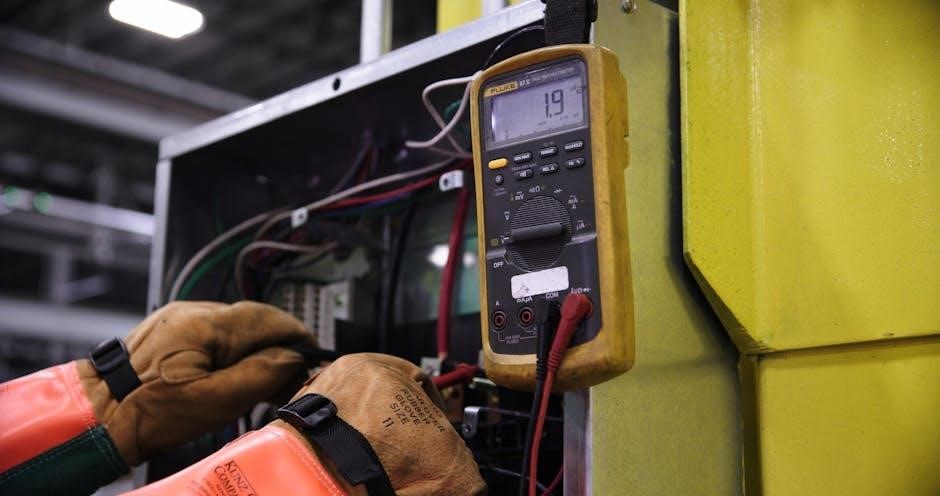
Chapter 3 of the 2017 NEC pdf focuses on the practical implementation of electrical systems within a building. This section details the rules governing wiring methods‚ components‚ and equipment installation. It’s where planning concepts from earlier chapters translate into physical reality.
Key areas covered include proper selection and installation of conduit types‚ appropriate conductor sizing based on ampacity and voltage drop‚ and the correct mounting of electrical boxes and supports. The pdf provides detailed tables and examples to guide installers. Understanding these requirements is crucial for ensuring a safe‚ code-compliant‚ and functional electrical system throughout the structure‚ adhering to NFPA standards.
Conduit Types and Applications
The 2017 NEC pdf dedicates significant detail to conduit‚ essential for protecting electrical wiring. Chapter 3 outlines various types – EMT‚ IMC‚ RMC‚ PVC‚ and flexible metal conduit – each suited for specific environments and applications. The pdf specifies where each type is permitted‚ detailing requirements for support‚ bending radius‚ and fittings.
Understanding these rules is vital for safe installations. Factors like location (exposed‚ concealed‚ wet)‚ physical protection needs‚ and cost influence conduit selection. The NEC clarifies when each conduit type is appropriate‚ ensuring compliance with NFPA standards. Proper application‚ as detailed in the 2017 edition pdf‚ minimizes damage and maximizes system longevity.
Conductor Sizing and Types
The 2017 NEC pdf extensively covers conductor selection‚ a critical aspect of electrical safety. Article 310 within the pdf details ampacity charts‚ determining the appropriate wire size based on current-carrying capacity and insulation type. Different conductor materials – copper and aluminum – are addressed‚ alongside various insulation ratings (THHN‚ THWN‚ etc.).
Proper sizing prevents overheating and potential fire hazards. The NEC outlines correction and adjustment factors for ambient temperature‚ conduit fill‚ and grouping. The 2017 edition pdf also specifies acceptable conductor types for different applications‚ ensuring compatibility and long-term reliability. Careful adherence to these guidelines‚ found within the pdf‚ is paramount.
Electrical Boxes and Supports
The 2017 NEC pdf dedicates significant attention to electrical boxes and their proper support‚ crucial for safe and durable installations. Article 314 within the pdf details requirements for box fill capacity‚ ensuring sufficient space for conductors and devices. The NEC specifies acceptable box materials – metal and non-metallic – based on the application and environment.
Secure mounting is paramount; the 2017 edition pdf outlines support methods‚ including straps‚ clamps‚ and bracing‚ to prevent boxes from becoming dislodged. Proper grounding of metal boxes is also addressed. Understanding these rules‚ readily available in the pdf‚ minimizes the risk of short circuits and physical damage‚ contributing to a reliable electrical system.
Chapter 4: Utilization of Electrical Equipment
Chapter 4 of the 2017 NEC pdf focuses on the safe application and connection of electrical equipment. This section‚ accessible within the pdf document‚ covers a broad range of devices‚ from luminaires and switches to more complex systems like motors and transformers. It details wiring methods‚ overcurrent protection requirements‚ and specific installation guidelines for each type of equipment.

The 2017 NEC pdf emphasizes proper grounding and bonding to minimize electrical hazards. Understanding the rules for motor circuits‚ generator installations‚ and transformer connections – all detailed in the pdf – is vital for ensuring safe and compliant operation. This chapter is essential for anyone involved in the final stages of electrical system implementation.
Luminaires and Lighting Systems
Within the 2017 NEC pdf‚ detailed regulations govern the installation of luminaires and complete lighting systems. This section specifies wiring methods suitable for different lighting types‚ including fluorescent‚ LED‚ and incandescent. The pdf outlines requirements for fixture support‚ spacing‚ and compatibility with branch circuit protection.
Crucially‚ the 2017 NEC pdf addresses safety concerns related to luminaire enclosures and their impact on fire hazards. It details rules for recessed lighting‚ emergency lighting‚ and outdoor installations. Proper grounding and the use of listed equipment‚ as defined in the pdf‚ are paramount. Understanding these guidelines‚ readily available in the pdf‚ ensures safe and code-compliant lighting installations.
Switches and Control Devices
The 2017 NEC pdf provides comprehensive guidance on the installation of switches and various control devices. This includes standard switches‚ dimmers‚ timers‚ and motor controls. The pdf details acceptable wiring methods‚ enclosure requirements‚ and proper grounding techniques for these components. It emphasizes the importance of using listed devices and adhering to manufacturer’s instructions‚ all detailed within the pdf.
Furthermore‚ the 2017 NEC pdf addresses safety considerations related to switch location and accessibility. Regulations concerning disconnecting means and control of lighting loads are clearly outlined in the pdf. Proper overcurrent protection for control circuits‚ as specified in the pdf‚ is also a key focus‚ ensuring safe and reliable operation of electrical control systems.
Motors and Motor Circuits
The 2017 NEC pdf dedicates significant attention to the safe installation of motors and their associated circuits. It outlines specific requirements for motor overload protection‚ conductor sizing‚ and disconnecting means‚ all readily accessible within the pdf document. The pdf details rules for both single-phase and three-phase motor installations‚ covering various horsepower ratings and applications.
Detailed within the 2017 NEC pdf are guidelines for motor control centers‚ variable frequency drives (VFDs)‚ and the proper grounding of motor circuits. The pdf emphasizes the importance of adhering to manufacturer’s specifications and using appropriately rated components. Understanding these regulations‚ as presented in the pdf‚ is crucial for ensuring the reliable and safe operation of motor-driven equipment.
Generators and Transformers
The 2017 NEC pdf provides comprehensive guidelines for the installation of generators and transformers‚ essential components in many electrical systems. Within the pdf‚ you’ll find detailed requirements for grounding‚ overcurrent protection‚ and clearances around these devices. The pdf addresses both stationary and portable generators‚ outlining specific safety measures for each type.
The 2017 NEC pdf also covers the installation of transformers‚ including dry-type and liquid-filled units‚ detailing proper ventilation‚ fire protection‚ and connection methods. Understanding the regulations within the pdf regarding voltage ratings‚ impedance‚ and tap settings is vital for safe and efficient operation. Proper adherence to these standards‚ as detailed in the pdf‚ minimizes risks and ensures system reliability.

Special Situations and Modifications (Chapters 5-7)
Chapters 5-7 of the 2017 NEC pdf detail rules for unique installations—hazardous locations‚ special equipment‚ and premises wiring—requiring careful adherence.
Chapter 5: Hazardous Locations
Chapter 5 of the 2017 NEC pdf focuses on electrical installations in environments containing flammable gases‚ vapors‚ dusts‚ or fibers. This chapter is critically important for ensuring safety in industries like chemical processing‚ oil refining‚ and grain handling. It defines various hazard classifications – Class I‚ Class II‚ and Class III – based on the type of hazardous material present;
The code specifies requirements for explosion-proof equipment‚ intrinsically safe systems‚ and proper wiring methods designed to prevent ignition sources. Understanding area classifications and selecting appropriately rated equipment are paramount. Detailed rules cover everything from conduit sealing to the grounding of equipment in these potentially dangerous settings‚ all meticulously outlined within the 2017 NEC.
Chapter 6: Special Equipment
Chapter 6 of the 2017 NEC pdf addresses the unique installation requirements for a diverse range of specialized electrical equipment. This includes items like midshipmen’s quarters‚ health care facilities‚ and swimming pools‚ each presenting distinct safety challenges. The code details specific rules for grounding‚ bonding‚ and overcurrent protection tailored to these applications.

For example‚ stringent requirements exist for electrical systems in wet locations like swimming pools‚ focusing on GFCI protection and bonding of metal parts. Healthcare facilities demand reliable power and specific wiring methods to support life-sustaining equipment. Accessing the complete details within the 2017 NEC is crucial for compliant and safe installations of this specialized equipment.
Chapter 7: Premises Wiring Systems
Chapter 7‚ found within the comprehensive 2017 NEC pdf‚ focuses on the intricate details of wiring methods permitted for the installation of electrical systems within buildings and structures. It covers a broad spectrum of topics‚ including acceptable cable types‚ installation techniques‚ and support requirements for various wiring configurations.
This chapter delves into specifics regarding concealed and exposed wiring‚ outlining rules for securing cables‚ protecting them from physical damage‚ and ensuring proper clearances. Understanding these regulations‚ as detailed in the 2017 NEC‚ is paramount for ensuring a safe and code-compliant electrical installation within any premises. Proper adherence minimizes fire hazards and ensures long-term system reliability.

Key Changes and Updates in the 2017 NEC
The 2017 NEC pdf introduces revisions to overcurrent protection (Article 240) and conductor specifications (Article 310)‚ enhancing electrical safety standards.
Article 240: Overcurrent Protection
Article 240 within the 2017 NEC pdf comprehensively addresses overcurrent protection – a critical aspect of electrical safety. This section details requirements for circuit breakers‚ fuses‚ and other devices designed to interrupt power flow during fault conditions. Significant updates in this article focus on arc-fault circuit interrupters (AFCIs) and ground-fault circuit interrupters (GFCIs)‚ expanding their application to a wider range of circuits for enhanced protection against electrical hazards.
The 2017 edition clarifies rules regarding the selection and coordination of overcurrent devices‚ ensuring they appropriately match the ampacity of conductors and the ratings of equipment. Understanding these changes is paramount for installers and inspectors alike‚ guaranteeing compliance and minimizing the risk of electrical fires or shocks. Proper implementation of Article 240 safeguards lives and property.
Article 310: Conductors for General Wiring
Article 310‚ found within the 2017 NEC pdf‚ details the essential requirements for conductors used in general wiring. This section outlines ampacity ratings – the maximum current a conductor can safely carry – based on factors like conductor material‚ insulation type‚ and ambient temperature. The 2017 edition includes adjustments to ampacity tables‚ reflecting advancements in conductor technology and improved understanding of thermal characteristics.
Crucially‚ Article 310 addresses conductor identification‚ installation methods‚ and splicing techniques. It provides guidance on selecting the appropriate conductor size to prevent overheating and ensure safe operation of electrical systems. Correct application of these rules‚ as detailed in the pdf‚ is fundamental to preventing electrical hazards and maintaining code compliance throughout an installation.

Finding Information within the 2017 NEC
The 2017 NEC pdf utilizes a comprehensive index‚ tables‚ and annexes for efficient information retrieval. Mastering these tools unlocks quick access to vital code details.
Using the Index Effectively
The index within the 2017 NEC pdf is your primary tool for locating specific code sections. It’s meticulously organized‚ listing topics alphabetically with precise references to relevant articles and sections. When searching‚ consider various keywords and synonyms; the NEC often uses specific terminology.
Don’t limit yourself to exact phrases – broader terms can lead you to related information you might have missed. Cross-referencing is key; the index frequently directs you to other sections for a complete understanding. Remember that the index points to where the subject is discussed‚ not necessarily where the rule is located. Thoroughly review the referenced section and any associated notes or informational notes for full compliance.
Navigating the Tables and Annexes
The 2017 NEC pdf contains numerous tables and annexes crucial for practical application. Tables provide concise data – conductor ampacities‚ conduit fill capacities‚ and motor characteristics – saving significant calculation time. Annexes‚ designated with a letter (e.g.‚ Annex A)‚ offer informational notes‚ examples‚ and explanations that supplement the mandatory code articles.
Understanding the difference is vital: tables are enforceable‚ annexes are not. However‚ annexes provide valuable insight into the intent behind the code. When using tables‚ always verify you’re referencing the correct table for your specific application. Annexes often contain helpful diagrams and calculations‚ enhancing comprehension of complex concepts within the electrical code.

Resources for the 2017 NEC
The NFPA website offers support and the 2017 NEC pdf. Online forums and communities provide valuable discussions and assistance for code interpretation.
NFPA Website and Support
The National Fire Protection Association (NFPA) website serves as the primary hub for all things related to the 2017 National Electrical Code (NEC). Here‚ you can directly purchase the official 2017 NEC pdf version‚ ensuring you have the most accurate and up-to-date information. Beyond the code book itself‚ NFPA provides a wealth of supplementary materials‚ including official interpretations‚ errata‚ and frequently asked questions designed to clarify complex sections.
Furthermore‚ NFPA offers robust technical support options. Members can access exclusive resources and direct consultation with code experts. The website also features training courses and webinars‚ providing opportunities for professional development and a deeper understanding of the NEC’s requirements. Regular updates and announcements regarding code changes are consistently posted‚ keeping users informed about the evolving landscape of electrical safety standards.
Online Forums and Communities
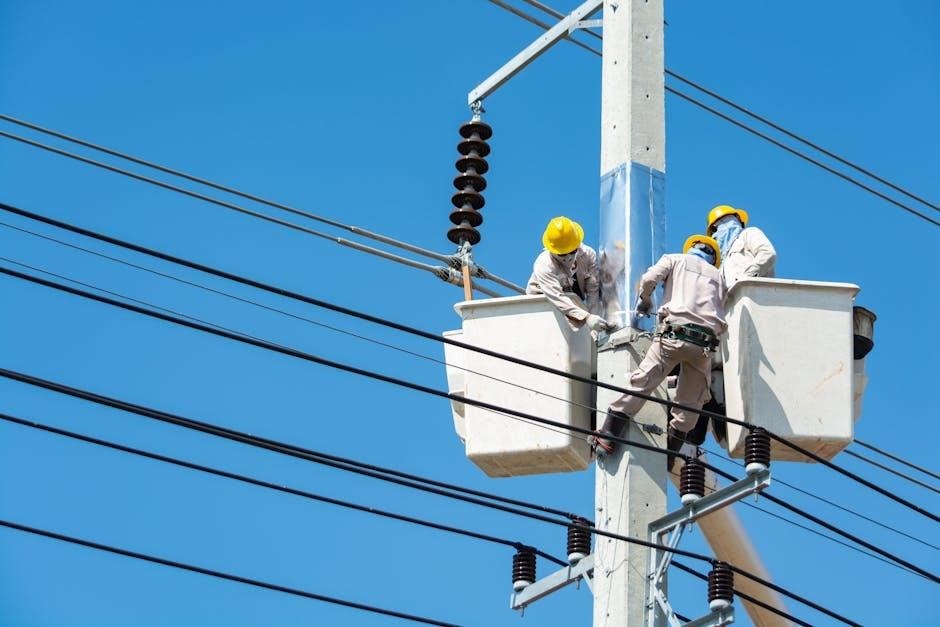
Numerous online forums and communities cater specifically to electrical professionals working with the 2017 National Electrical Code (NEC). These platforms offer invaluable opportunities for peer-to-peer learning and problem-solving‚ particularly when navigating the complexities of the 2017 NEC pdf. Users frequently share interpretations‚ discuss challenging applications‚ and collaborate on solutions to real-world electrical scenarios.
Websites like Reddit’s r/AskElectricians (though with specific posting rules – see prior cautions!) and dedicated electrical contractor forums provide spaces for asking questions‚ sharing experiences‚ and staying current on code updates. These communities often host discussions on specific articles within the NEC‚ offering diverse perspectives and practical insights. Remember to verify information obtained from forums with official sources like the NFPA.