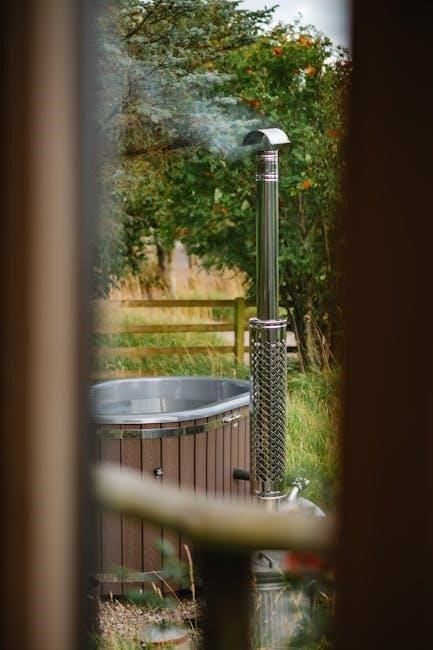
Hot Tub Owners Manual: A Comprehensive Guide
Embark on a journey of relaxation! This manual unlocks the secrets to hot tub bliss, ensuring years of enjoyment and memorable moments for every owner.
Welcome to the world of hot tub ownership! Investing in a hot tub is more than just acquiring a luxurious amenity; it’s embracing a lifestyle centered around relaxation, wellness, and social connection. These backyard oases offer a unique escape from the stresses of daily life, providing a space to unwind, rejuvenate, and create lasting memories with family and friends.
This guide serves as your comprehensive resource, navigating you through every aspect of hot tub ownership – from initial setup and water chemistry to routine maintenance and troubleshooting. We’ll demystify the technical aspects, empowering you to confidently maintain your hot tub and maximize its benefits; Prepare to transform your backyard into a personal sanctuary!
Understanding Your Hot Tub System
Delving into the mechanics of your hot tub is key to proper maintenance. A typical system comprises several core components working in harmony. The shell, often made of acrylic, holds the water, while the frame provides structural support. A heater warms the water to your desired temperature, and a pump circulates it through the jets for massage and filtration.
The filtration system, including a filter cartridge, removes debris and impurities. Control panels manage temperature, jet operation, and lighting. Understanding how these elements interact allows for efficient troubleshooting and preventative care, ensuring a long lifespan and optimal performance of your investment.
Initial Hot Tub Setup & Filling
Proper setup is crucial for a seamless hot tub experience. Begin by selecting a level, stable surface capable of supporting the filled weight. Ensure adequate electrical connections are in place, adhering to local codes. Carefully inspect the hot tub for any shipping damage before proceeding.
When filling, use a pre-filter attached to the hose to remove minerals and metals. Fill to the recommended water level, typically a few inches below the jets. Avoid overfilling! Once filled, power on the system and allow it to circulate briefly before adding chemicals – this primes the system for balanced water chemistry.
Water Chemistry Basics
Maintaining pristine water is paramount for health and enjoyment. Hot tub water requires careful balancing of several key chemical factors. pH, alkalinity, and sanitizer levels are the core components; Ideal pH should be between 7.2 and 7.8, ensuring water isn’t corrosive or scaling. Total alkalinity acts as a pH stabilizer, ideally between 80-120 ppm.
Sanitizers, like chlorine or bromine, eliminate bacteria and algae. Regular testing and adjustment are vital. Improperly balanced water can lead to skin irritation, cloudy water, and equipment damage. Consistent monitoring prevents these issues, guaranteeing a relaxing and safe soak.
Testing Your Hot Tub Water
Regular water testing is the cornerstone of hot tub maintenance. Utilize a reliable test kit or strips to check key parameters at least twice weekly, and ideally before each use. Focus on pH, alkalinity, and sanitizer levels – chlorine or bromine. Digital testers offer precise readings, while liquid test kits provide a cost-effective alternative.

Accurate testing ensures water remains balanced, preventing corrosion, scaling, and bacterial growth. Record your results to track trends and identify potential issues early. Don’t solely rely on visual cues; consistent testing is crucial for a safe and enjoyable hot tub experience.
Balancing pH Levels
Maintaining proper pH is vital for water comfort and equipment longevity. The ideal pH range for hot tub water is 7.2 to 7.8. If pH is too low (acidic), it can corrode equipment and irritate skin and eyes. Conversely, high pH (alkaline) can cause scaling and reduce sanitizer effectiveness.
Use pH increaser (sodium carbonate) to raise pH and pH decreaser (sodium bisulfate) to lower it. Always follow product instructions carefully and add chemicals gradually, retesting after each addition. Consistent pH balance maximizes sanitizer performance and ensures a pleasurable soaking experience for all users.
Sanitization Methods: Chlorine vs. Bromine
Choosing the right sanitizer is crucial for maintaining clean and safe hot tub water. Chlorine is a powerful and cost-effective option, readily available and effective against bacteria. However, it can have a strong odor and may irritate sensitive skin. Bromine, on the other hand, is gentler and more stable at higher temperatures.
Bromine releases less odor and is less irritating, making it ideal for those with sensitivities. Both require regular testing and maintenance to ensure proper sanitation. Consider your personal preferences and water chemistry when selecting a sanitizer, always following manufacturer’s guidelines for dosage and usage.
Hot Tub Maintenance Schedule
Consistent maintenance is key to a long-lasting and enjoyable hot tub experience. A well-structured schedule prevents issues and ensures water quality. Daily tasks include a quick visual inspection and ensuring proper cover placement. Weekly routines involve water testing, balancing chemicals, and rinsing the filter.
Monthly maintenance demands a more thorough cleaning of the shell and interior surfaces, alongside a deep filter cleaning or replacement. Adhering to this schedule safeguards your investment, minimizes repairs, and maximizes relaxation. Remember, preventative care is always more cost-effective than reactive fixes!
Daily Maintenance Tasks
Simple daily habits significantly contribute to hot tub health. Begin with a quick visual check for any debris or unusual foam, promptly removing anything found. Verify the water level is adequate, topping off if necessary to maintain proper pump operation. Crucially, ensure the hot tub cover is securely in place when not in use.
This minimizes heat loss, reduces evaporation, and prevents contamination from outside elements. A brief scan of the control panel confirms everything is functioning as expected. These small, consistent actions prevent larger issues and keep your hot tub inviting and ready for relaxation.
Weekly Maintenance Tasks
A slightly more involved routine each week ensures long-term hot tub wellness. Thoroughly test the water chemistry, paying close attention to pH, alkalinity, and sanitizer levels – adjust as needed for optimal balance. Rinse or backwash the filter to remove accumulated debris, maintaining efficient water circulation and clarity.
Wipe down the hot tub shell and surrounding area to prevent grime buildup. Inspect the cover for any signs of wear or damage, addressing issues promptly. These weekly steps build upon daily care, safeguarding your investment and guaranteeing a consistently clean and enjoyable hot tub experience.
Monthly Maintenance Tasks
Delve deeper into hot tub care with these essential monthly procedures. Perform a deep clean of the hot tub shell using a specialized cleaning solution, removing any lingering oils or residue. Inspect all jets and ensure they are functioning correctly, clearing any obstructions that may impede water flow.
Check the hot tub’s cabinet for any signs of damage or leaks, addressing them immediately to prevent further issues. This proactive approach, combined with weekly and daily maintenance, will extend the life of your hot tub and ensure consistently pristine water quality for years of relaxation.
Troubleshooting Common Hot Tub Problems
Encountering issues? Don’t panic! This section guides you through resolving frequent hot tub hiccups. Addressing problems promptly prevents escalation and costly repairs. Common concerns include low water levels – often due to leaks or evaporation – requiring careful inspection of connections and seals.
Heating system malfunctions can stem from a faulty heater or thermostat, demanding professional evaluation. Jet and pump problems might indicate clogs or motor issues. Systematic diagnosis, combined with this manual, empowers you to tackle minor repairs or confidently contact a qualified technician when needed.
Low Water Level Issues
Discovering a dwindling water level? This is a common concern, often stemming from minor leaks around fittings, the pump, or even the shell itself. Regularly inspect all connections, tightening as needed. Evaporation, especially in warmer climates, also contributes to water loss, necessitating frequent top-offs.
Before adding water, pinpoint the source of the drop. A significant, rapid decrease suggests a more serious leak requiring professional attention. Always shut off power before investigating potential electrical components near water. Maintaining proper water levels is crucial for heater function and overall system health.
Heating System Malfunctions
A chilly soak is no fun! When your hot tub isn’t heating, several factors could be at play. First, verify the power supply and breaker haven’t tripped. Inspect the high-limit switch, a safety feature that cuts power if overheating occurs. A faulty heater element is a common culprit, requiring replacement by a qualified technician.
Circulation issues can also mimic heating problems; ensure jets are functioning correctly. Check the thermostat settings and control panel for errors. Never attempt to repair electrical components yourself – safety first! Regular maintenance, including element inspection, prevents costly breakdowns.
Jet & Pump Problems
Weak jets or a noisy pump can disrupt your relaxation. Begin by checking for obstructions in the jets themselves – debris can significantly reduce water flow. A clogged filter restricts circulation, impacting jet pressure. If jets are weak despite a clean filter, the pump may be losing prime, requiring priming according to your model’s instructions.
A noisy pump could indicate air in the lines, a failing motor, or worn bearings. Never run the pump dry! Regular inspection and cleaning of the pump basket prevent debris buildup. For persistent issues, consult a professional for diagnosis and repair – avoid DIY electrical work.
Hot Tub Safety Guidelines
Prioritizing safety ensures a worry-free hot tub experience. Always adhere to strict electrical safety precautions; never operate the hot tub with wet hands or near water sources. Proper grounding is crucial to prevent shocks. Store all chemicals in a cool, dry, well-ventilated area, locked and out of reach of children and pets.
Constant supervision is vital, especially when children are present. Implement a safety cover and enforce a “no running” rule around the tub. Limit soak times, particularly for pregnant women and individuals with heart conditions. Be mindful of water temperature – exceeding 104°F (40°C) can be dangerous.
Electrical Safety Precautions
Hot tubs combine water and electricity – demanding utmost caution. Ensure a dedicated Ground Fault Circuit Interrupter (GFCI) protected circuit powers your hot tub, minimizing shock risks. Never attempt electrical repairs yourself; always engage a qualified electrician. Regularly inspect the power cord for damage, replacing it immediately if frayed or cracked.
Maintain a safe distance from the hot tub during thunderstorms. Avoid using electrical appliances near the tub; Never operate the hot tub if the control panel is wet or malfunctioning. Proper bonding and grounding are essential to equalize electrical potential and prevent dangerous currents. Adherence to local electrical codes is paramount for safe operation.
Chemical Handling & Storage
Hot tub chemicals require careful handling and storage to ensure safety and effectiveness. Always wear protective gear – gloves and eye protection – when handling chemicals. Never mix different chemicals together, as dangerous reactions can occur. Store chemicals in a cool, dry, well-ventilated area, out of reach of children and pets.
Keep containers tightly sealed to prevent moisture absorption and degradation. Follow manufacturer’s instructions precisely when adding chemicals to the water. Avoid breathing chemical fumes. Dispose of empty containers responsibly, according to local regulations. Clearly label all chemical containers to prevent accidental misuse or ingestion.
Supervision & Child Safety
Constant, active supervision is paramount when a hot tub is in use, especially around children. Never leave children unattended near the hot tub, even for a moment. A child can drown silently and quickly in even shallow water. Implement layers of protection, including a secure, lockable cover and a safety fence around the hot tub area.
Educate children about the dangers of the hot tub and establish clear rules. Lower the water temperature to a safe level for children if they are permitted to use the hot tub under strict supervision. Be aware of the risks of hyperthermia, particularly for young children and pregnant women.
Winterizing Your Hot Tub

Proper winterization protects your investment from freezing temperatures and potential damage. Begin by draining the hot tub completely, ensuring all water is removed from the plumbing lines. Use a wet/dry vacuum to blow out the lines, preventing water from freezing and expanding. Add winterizing chemicals specifically designed for hot tubs to protect the shell and components.

Disconnect power to the hot tub and cover it securely with a winter cover. Regularly inspect the cover throughout the winter for damage or water accumulation. Following these steps will ensure a smooth and trouble-free start-up when warmer weather returns.
Hot Tub Cover Care & Maintenance
Your hot tub cover is crucial for insulation, safety, and cleanliness. Regularly clean the cover with a mild soap and water solution to remove dirt and debris. Avoid harsh chemicals or abrasive cleaners that can damage the vinyl. Protect the cover from prolonged sun exposure, as UV rays can cause fading and cracking.
Periodically treat the cover with a vinyl protectant to maintain its flexibility and water resistance. Inspect the cover for tears or damage and repair them promptly to prevent further deterioration. A well-maintained cover extends the life of your hot tub and reduces energy costs.

Cleaning Your Hot Tub Shell & Interior
Maintaining a sparkling clean hot tub shell enhances your relaxation experience. Regularly wipe down the shell with a soft cloth and a non-abrasive hot tub cleaner to remove oils, lotions, and other residues. Avoid using household cleaners, as they can damage the acrylic surface and affect water chemistry.
For stubborn stains, consider a specialized stain remover designed for hot tub shells; Pay attention to areas around jets and seats, where buildup tends to accumulate. Rinse thoroughly after cleaning to remove any remaining residue. A clean shell promotes hygiene and prolongs the life of your hot tub.

Filter Maintenance & Replacement
A clean filter is crucial for maintaining water clarity and extending the life of your hot tub’s components. Regularly rinse your filter with a garden hose, using a filter cleaning nozzle to remove debris. Deep clean the filter every 3-6 months using a filter cleaning solution to dissolve oils and minerals.
Over time, filters become less effective and require replacement. Typically, filters should be replaced every 12-18 months, depending on usage and water quality. A clogged or worn-out filter strains the pump and reduces heating efficiency. Inspect your filter regularly for damage and replace it promptly when needed.
Understanding Hot Tub Jets & Controls
Hot tub jets provide a customizable massage experience, with varying intensities and directional flows. Different jet types target specific muscle groups, offering therapeutic benefits. Familiarize yourself with your hot tub’s jet controls to adjust the pressure and direction to your preference.
The control panel is your command center, managing temperature, jet operation, lighting, and other features. Understand the functions of each button and display to optimize your hot tub experience. Many modern hot tubs offer digital controls and programmable settings for personalized comfort. Explore these features to create your ideal relaxation environment.
Hot Tub Accessories & Upgrades
Enhance your hot tub experience with a range of accessories designed for comfort and convenience. Consider a comfortable headrest for added support, or a floating beverage holder to keep refreshments within reach. LED lighting options can transform the ambiance, creating a relaxing and inviting atmosphere.
For upgrades, explore aromatherapy systems that infuse essential oils into the water, or advanced sound systems for immersive audio. Premium covers offer superior insulation and protection. Investing in quality accessories and upgrades elevates your hot tub enjoyment, tailoring it to your personal preferences and maximizing relaxation.
Energy Efficiency & Hot Tub Operation
Maximize energy savings while enjoying your hot tub by understanding efficient operation. A well-insulated cover is paramount, minimizing heat loss when the tub isn’t in use. Utilize the scheduling feature to heat the water only when needed, avoiding unnecessary energy consumption.
Consider a full-foam insulation system for optimal thermal retention. Regularly check and maintain the filter, as a clogged filter forces the pump to work harder. Smart controls allow remote monitoring and adjustments, further enhancing efficiency. Responsible operation not only saves money but also reduces your environmental impact.

Hot Tub Etiquette & Guest Considerations
Creating a welcoming and comfortable experience for guests starts with clear communication. Kindly request guests to shower before entering the hot tub to maintain water cleanliness. Encourage limiting the use of lotions or oils, as these can affect water chemistry and filter performance.
Establish a reasonable time limit during peak hours to allow everyone a chance to enjoy the tub. Remind guests about safety guidelines, including avoiding excessive alcohol consumption and being mindful of the water temperature. A little consideration ensures a relaxing and enjoyable hot tub experience for all!
Repair or Replace? Knowing When to Call a Professional
While diligent maintenance extends your hot tub’s life, some issues demand expert attention. Don’t attempt complex electrical repairs yourself – always prioritize safety and contact a qualified technician. Persistent leaks, even after attempting simple fixes, often indicate a more significant problem requiring professional diagnosis.
If your heating system malfunctions repeatedly, or the pump emits unusual noises, it’s time to call in the pros. Major component failures, like a cracked shell or irreparable jet assemblies, usually justify replacement over costly repairs. Remember, professional intervention saves time and ensures long-term reliability.

Resources & Further Information
Expanding your hot tub knowledge is an ongoing process! The Association of Pool & Spa Professionals (APSP) offers valuable resources, including safety standards and educational materials. Numerous online forums and communities connect hot tub owners, providing a platform for sharing experiences and troubleshooting tips.
Manufacturer websites are excellent sources for specific model information, parts diagrams, and warranty details. Local pool and spa retailers can offer personalized advice and professional services. Remember to consult your local building codes regarding permits and electrical requirements. Enjoy the journey of hot tub ownership!