
The Garbage Card Game, also known as Trash, is a family-friendly, easy-to-learn game perfect for all ages, combining strategy and luck to create an engaging experience.

Overview of the Game
The Garbage Card Game, also known as Trash, is a simple yet engaging card game suitable for players of all ages. It involves strategic thinking and a bit of luck, making it a great activity for families or casual gatherings. The game is typically played with a standard deck of 52 cards, and the objective is to be the first player to arrange all your cards in a sequence from Ace to 10. Players receive a set number of cards, which they must organize into piles, using wild cards like Kings or Jokers to substitute for missing cards. The game is easy to learn, with rounds progressing quickly, and its straightforward rules make it accessible to children while still offering fun challenges for adults. Its simplicity and educational benefits, such as teaching counting and sequencing, have made it a popular choice for both entertainment and learning.
History and Origins
The Garbage Card Game, also known as Trash, has its roots in traditional card games that emphasize sequencing and strategy. While its exact origin is unclear, it gained popularity in American culture as a family-friendly alternative to more complex card games. The game’s simplicity and use of a standard deck made it accessible to players of all ages. Over time, variations emerged, but the core objective of arranging cards in sequence remained consistent. Its rise in popularity can be attributed to its ease of learning and the fun, competitive nature it brings to casual gatherings. Today, it remains a beloved pastime, enjoyed by both children and adults alike.
Why It’s Popular Among Players
The Garbage Card Game is popular due to its simplicity, making it accessible to all ages. It combines luck and strategy, offering both excitement and cognitive benefits. Players enjoy its quick gameplay, ideal for short sessions. The ability to play with two or more participants adds versatility. Its educational value, teaching counting and sequencing, makes it a favorite for families. The availability of PDF guides and variations allows for customization, keeping the game fresh and engaging. These factors contribute to its enduring appeal as a fun and educational activity for players of all skill levels.
Setting Up the Game
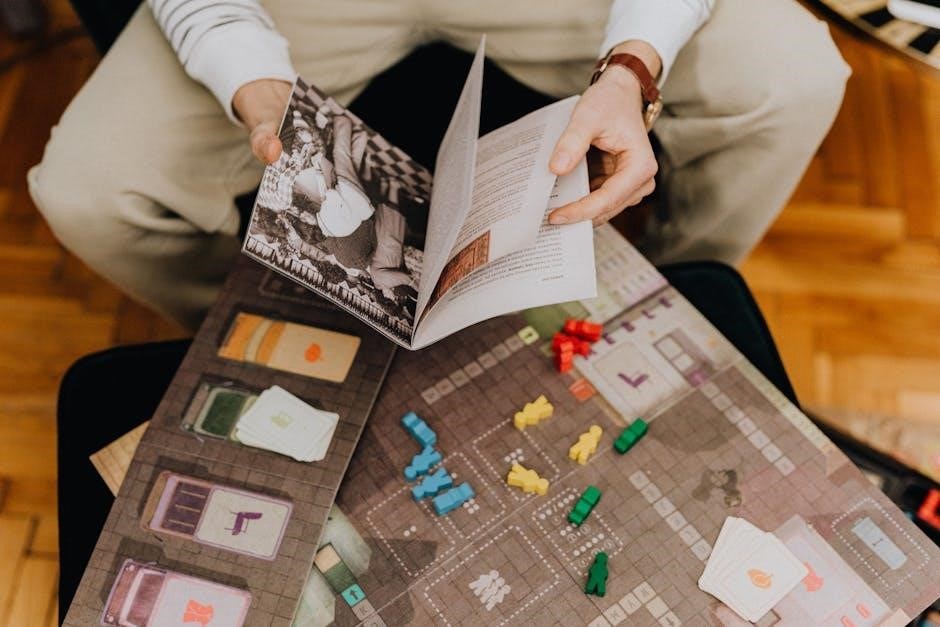
The game requires a standard deck of 52 cards and can be played with two or more players. Each player receives ten cards, arranged in two rows of five. The remaining cards form a draw pile, placed face down in the center. This setup ensures a balanced and organized start to the game, allowing players to focus on strategy and fun.

Number of Players Required
The Garbage Card Game is designed for two or more players, making it a versatile option for small gatherings or larger groups. While it can be enjoyed with just two players, the game becomes more dynamic with additional participants, allowing for increased competition and strategy. The rules remain consistent regardless of the number of players, ensuring a fair and balanced experience. This flexibility makes it an ideal choice for families, friends, or casual get-togethers. The game’s simplicity and adaptability to different group sizes contribute to its widespread appeal and ease of play.
Deck Preparation and Shuffling
To begin the Garbage Card Game, a standard deck of 52 playing cards is used, excluding jokers. The deck is thoroughly shuffled to ensure a random distribution of cards. Shuffling is crucial as it prevents any player from predicting the order of the cards. Once shuffled, the deck is placed face down in the center of the table, forming the draw pile. The dealer, chosen randomly at the start, will then deal the cards according to the game’s setup. Proper shuffling ensures fairness and unpredictability, making the game exciting for all players. This step is essential for a smooth and balanced gameplay experience.
Dealing the Cards

In the Garbage Card Game, each player receives ten cards, dealt face down in two rows of five. Players are not allowed to look at their cards during the dealing process. The dealer, chosen randomly, distributes the cards evenly, ensuring each player has an equal number. Once all cards are dealt, the remaining deck forms the draw pile, placed face down in the center of the table. This setup ensures the game begins fairly and systematically. The face-down arrangement adds an element of surprise, as players must wait until their turn to reveal and organize their cards strategically. Proper dealing is essential for a smooth and balanced start to the game.
Initial Card Layout
After dealing, each player arranges their ten cards face down in two rows of five, creating a structured layout. The remaining cards form a draw pile placed face down in the center of the table. Players cannot look at their cards during setup. This face-down arrangement ensures fairness and adds an element of surprise, as players must wait to reveal their cards during gameplay. The initial layout is crucial for maintaining the game’s structure and preventing early strategic advantages. Once the cards are laid out, the game is ready to begin, with players taking turns to draw and reveal cards in pursuit of completing the required sequence.
Gameplay Mechanics
Players take turns drawing cards, replacing face-down cards in their layout. Kings act as wild cards, while Jacks and Queens are discarded. The goal is to complete a sequence from Ace to 10, with the first player to do so winning the round.
Starting the Game
To begin, each player receives ten cards face down, arranged in two rows of five. The remaining cards form a draw pile at the center of the table. The first player, typically the youngest or determined by a random draw, starts by drawing a card from the draw pile. This card is placed face up on one of their face-down cards, replacing it. Players cannot look at their face-down cards until they are replaced. The goal is to create a sequence from Ace to 10, with wild cards (Kings) helping to complete the sequence. The game progresses with players taking turns to draw and replace cards, aiming to be the first to complete their sequence.
Player Actions and Turns
During their turn, a player draws a card from the draw pile and places it face up on one of their face-down cards, replacing it. Players can choose which face-down card to replace, aiming to create a sequence from Ace to 10. Wild cards, such as Kings, can substitute for any missing card in the sequence. Once a card is placed face up, it cannot be moved. The turn proceeds to the next player on the left, continuing until a player completes their sequence. The goal is to be the first to fill all ten spots with the correct cards in order, using strategy and luck to outpace opponents.
Role of Wild Cards
Wild cards, typically Kings (and sometimes Jokers), play a crucial role in the Garbage Card Game. They can be used to replace any missing card in the sequence, allowing players to fill gaps strategically. When a King is placed, it can substitute for any face-down card, giving players flexibility in completing their sequence. If a King is used as a wildcard and the correct card is later revealed, the King can remain in place. This feature adds a layer of strategy, as players must decide when and where to use their wild cards effectively. Proper use of wild cards can significantly enhance a player’s chances of winning, making them a valuable asset in the game. Kings are wild and can be placed anywhere, while Jacks and Queens are discarded when drawn. Wild cards can also be used to complete sequences, adding to the game’s excitement and unpredictability. Players must use wild cards wisely to maximize their advantage and outmaneuver opponents. Wild cards are a key element in the game’s strategy and are often the difference between winning and losing. They provide flexibility and add an extra layer of fun to the gameplay experience. Wild cards are essential for completing sequences and can turn the tide of the game in a player’s favor. Using wild cards effectively is a critical skill for success in the Garbage Card Game. Wild cards are a vital component of the game’s mechanics and are eagerly sought after by players. They add an element of surprise and strategy, making the game more dynamic and engaging. Wild cards are a key part of what makes the Garbage Card Game enjoyable and challenging for players of all ages. Wild cards are a fundamental aspect of the game’s rules and are essential for achieving victory. They provide players with the flexibility to adapt their strategy and overcome obstacles during the game. Wild cards are a central feature of the Garbage Card Game and are crucial for achieving success. They add an extra layer of complexity and excitement to the gameplay. Wild cards are a vital part of the game’s appeal and are essential for players looking to win. They offer a way to overcome challenges and complete sequences, making them indispensable in the game. Wild cards are a key element in the Garbage Card Game and are essential for achieving victory. They provide players with the flexibility to adapt their strategy and overcome obstacles during the game. Wild cards are a central feature of the game’s rules and are crucial for success. They add an extra layer of complexity and excitement to the gameplay. Wild cards are a vital part of the game’s appeal and are essential for players looking to win. They offer a way to overcome challenges and complete sequences, making them indispensable in the game. Wild cards are a key element in the Garbage Card Game and are essential for achieving victory. They provide players with the flexibility to adapt their strategy and overcome obstacles during the game. Wild cards are a central feature of the game’s rules and are crucial for success. They add an extra layer of complexity and excitement to the gameplay. Wild cards are a vital part of the game’s appeal and are essential for players looking to win. They offer a way to overcome challenges and complete sequences, making them indispensable in the game. Wild cards are a key element in the Garbage Card Game and are essential for achieving victory. They provide players with the flexibility to adapt their strategy and overcome obstacles during the game. Wild cards are a central feature of the game’s rules and are crucial for success. They add an extra layer of complexity and excitement to the gameplay. Wild cards are a vital part of the game’s appeal and are essential for players looking to win. They offer a way to overcome challenges and complete sequences, making them indispensable in the game. Wild cards are a key element in the Garbage Card Game and are essential for achieving victory. They provide players with the flexibility to adapt their strategy and overcome obstacles during the game. Wild cards are a central feature of the game’s rules and are crucial for success. They add an extra layer of complexity and excitement to the gameplay. Wild cards are a vital part of the game’s appeal and are essential for players looking to win. They offer a way to overcome challenges and complete sequences, making them indispensable in the game. Wild cards are a key element in the Garbage Card Game and are essential for achieving victory. They provide players with the flexibility to adapt their strategy and overcome obstacles during the game. Wild cards are a central feature of the game’s rules and are crucial for success. They add an extra layer of complexity and excitement to the gameplay. Wild cards are a vital part of the game’s appeal and are essential for players looking to win. They offer a way to overcome challenges and complete sequences, making them indispensable in the game. Wild cards are a key element in the Garbage Card Game and are essential for achieving victory. They provide players with the flexibility to adapt their strategy and overcome obstacles during the game. Wild cards are a central feature of the game’s rules and are crucial for success. They add an extra layer of complexity and excitement to the gameplay. Wild cards are a vital part of the game’s appeal and are essential for players looking to win. They offer a way to overcome challenges and complete sequences, making them indispensable in the game. Wild cards are a key element in the Garbage Card Game and are essential for achieving victory. They provide players with the flexibility to adapt their strategy and overcome obstacles during the game. Wild cards are a central feature of the game’s rules and are crucial for success. They add an extra layer of complexity and excitement to the gameplay. Wild cards are a vital part of the game’s appeal and are essential for players looking to win. They offer a way to overcome challenges and complete sequences, making them indispensable in the game. Wild cards are a key element in the Garbage Card Game and are essential for achieving victory. They provide players with the flexibility to adapt their strategy and overcome obstacles during the game. Wild cards are a central feature of the game’s rules and are crucial for success. They add an extra layer of complexity and excitement to the gameplay. Wild cards are a vital part of the game’s appeal and are essential for players looking to win. They offer a way to overcome challenges and complete sequences, making them indispensable in the game. Wild cards are a key element in the Garbage Card Game and are essential for achieving victory. They provide players with the flexibility to adapt their strategy and overcome obstacles during the game. Wild cards are a central feature of the game’s rules and are crucial for success. They add an extra layer of complexity and excitement to the gameplay. Wild cards are a vital part of the game’s appeal and are essential for players looking to win. They offer a way to overcome challenges and complete sequences, making them indispensable in the game. Wild cards are a key element in the Garbage Card Game and are essential for achieving victory. They provide players with the flexibility to adapt their strategy and overcome obstacles during the game. Wild cards are a central feature of the game’s rules and are crucial for success. They add an extra layer of complexity and excitement to the gameplay. Wild cards are a vital part of the game’s appeal and are essential for players looking to win. They offer a way to overcome challenges and complete sequences, making them indispensable in the game. Wild cards are a key element in the Garbage Card Game and are essential for achieving victory. They provide players with the flexibility to adapt their strategy and overcome obstacles during the game. Wild cards are a central feature of the game’s rules and are crucial for success. They add an extra layer of complexity and excitement to the gameplay. Wild cards are a vital part of the game’s appeal and are essential for players looking to win. They offer a way to overcome challenges and complete sequences, making them indispensable in the game. Wild cards are a key element in the Garbage Card Game and are essential for achieving victory. They provide players with the flexibility to adapt their strategy and overcome obstacles during the game. Wild cards are a central feature of the game’s rules and are crucial for success. They add an extra layer of complexity and excitement to the gameplay. Wild cards are a vital part of the game’s appeal and are essential for players looking to win. They offer a way to overcome challenges and complete sequences, making them indispensable in the game. Wild cards are a key element in the Garbage Card Game and are essential for achieving victory. They provide players with the flexibility to adapt
End of a Turn
The end of a turn in the Garbage Card Game occurs when a player either completes their sequence or is unable to make a move. If a player successfully fills all their face-up card slots with the correct cards, they declare “Trash” and win the round. Other players then have one final chance to tie by completing their own sequences. If no one wins outright, the game continues. If a player cannot make a move, they discard a card, and the next player takes their turn. The game progresses until a player wins by completing their sequence, making the end of a turn a pivotal moment in the game’s outcome. Proper strategy and timing are essential to secure a win. The game’s conclusion is both exciting and unpredictable, keeping players engaged until the final card is revealed. The end of a turn can lead to victory or extend the competition, ensuring dynamic gameplay. The rules ensure fairness and clarity, making the game enjoyable for all participants. The end of a turn is a critical phase that demands attention and skill. Players must be prepared to adapt and act quickly to secure their win. The game’s structure ensures that every turn counts, and the end of a turn can be the turning point for victory. The rules are designed to maintain balance and excitement, making the Garbage Card Game a delightful experience. The end of a turn is a moment of anticipation and strategy, where players’ decisions can lead to triumph or continuation. The game’s conclusion is always thrilling, with the end of a turn being a key factor in determining the winner. The rules are clear and concise, ensuring smooth gameplay and fair competition. The end of a turn is a crucial aspect of the game that players must master to succeed. The game’s design ensures that every turn is meaningful, and the end of a turn can be the gateway to victory. The rules are straightforward, allowing players to focus on strategy and fun. The end of a turn is an essential part of the game’s flow, keeping players engaged and invested in the outcome. The game’s structure ensures that the end of a turn is both exciting and decisive, making it a highlight of the gameplay experience. The rules are well-defined, ensuring that the end of a turn is fair and clear for all players. The end of a turn is a moment of high stakes and strategy, where players’ skills are put to the test. The game’s design ensures that the end of a turn is both thrilling and unpredictable, keeping players on their toes. The rules are easy to follow, allowing players to enjoy the game without confusion. The end of a turn is a critical moment in the game, where players’ decisions can lead to victory or defeat. The game’s structure ensures that the end of a turn is always exciting and full of possibilities. The rules are designed to maintain balance and fairness, ensuring a enjoyable experience for all players. The end of a turn is a key element of the game that players must navigate skillfully to achieve success. The game’s design ensures that the end of a turn is both challenging and rewarding, making it a central part of the gameplay experience. The rules are clear and concise, allowing players to focus on strategy and enjoyment. The end of a turn is a pivotal moment in the game, where players’ actions can lead to winning or extending the competition. The game’s structure ensures that the end of a turn is always engaging and dynamic, keeping players fully involved. The rules are well-organized, ensuring that the end of a turn is fair and straightforward for everyone. The end of a turn is a moment of strategy and anticipation, where players’ decisions can shape the game’s outcome. The game’s design ensures that the end of a turn is both exciting and unpredictable, making it a highlight of the game. The rules are easy to understand, allowing players to concentrate on gameplay and fun. The end of a turn is a critical phase in the game, where players’ skills and decisions can lead to victory or defeat. The game’s structure ensures that the end of a turn is always thrilling and full of possibilities, keeping players engaged. The rules are designed to maintain balance and fairness, ensuring an enjoyable experience for all participants. The end of a turn is a key aspect of the game that players must master to succeed. The game’s design ensures that the end of a turn is both challenging and rewarding, making it a central part of the gameplay experience. The rules are clear and concise, allowing players to focus on strategy and enjoyment. The end of a turn is a pivotal moment in the game, where players’ actions can lead to winning or extending the competition. The game’s structure ensures that the end of a turn is always engaging and dynamic, keeping players fully involved. The rules are well-organized, ensuring that the end of a turn is fair and straightforward for everyone. The end of a turn is a moment of strategy and anticipation, where players’ decisions can shape the game’s outcome. The game’s design ensures that the end of a turn is both exciting and unpredictable, making it a highlight of the game. The rules are easy to understand, allowing players to concentrate on gameplay and fun. The end of a turn is a critical phase in the game, where players’ skills and decisions can lead to victory or defeat. The game’s structure ensures that the end of a turn is always thrilling and full of possibilities, keeping players engaged. The rules are designed to maintain balance and fairness, ensuring an enjoyable experience for all participants. The end of a turn is a key aspect of the game that players must master to succeed. The game’s design ensures that the end of a turn is both challenging and rewarding, making it a central part of the gameplay experience. The rules are clear and concise, allowing players to focus on strategy and enjoyment. The end of a turn is a pivotal moment in the game, where players’ actions can lead to winning or extending the competition. The game’s structure ensures that the end of a turn is always engaging and dynamic, keeping players fully involved. The rules are well-organized, ensuring that the end of a turn is fair and straightforward for everyone. The end of a turn is a moment of strategy and anticipation, where players’ decisions can shape the game’s outcome. The game’s design ensures that the end of a turn is both exciting and unpredictable, making it a highlight of the game. The rules are easy to understand, allowing players to concentrate on gameplay and fun. The end of a turn is a critical phase in the game, where players’ skills and decisions can lead to victory or defeat. The game’s structure ensures that the end of a turn is always thrilling and full of possibilities, keeping players engaged. The rules are designed to maintain balance and fairness, ensuring an enjoyable experience for all participants. The end of a turn is a key aspect of the game that players must master to succeed. The game’s design ensures that the end of a turn is both challenging and rewarding, making it a central part of the gameplay experience. The rules are clear and concise, allowing players to focus on strategy and enjoyment. The end of a turn is a pivotal moment in the game, where players’ actions can lead to winning or extending the competition; The game’s structure ensures that the end of a turn is always engaging and dynamic, keeping players fully involved. The rules are well-organized, ensuring that the end of a turn is fair and straightforward for everyone. The end of a turn is a moment of strategy and anticipation, where players’ decisions can shape the game’s outcome. The game’s design ensures that the end of a turn is both exciting and unpredictable, making it a highlight of the game. The rules are easy to understand, allowing players to concentrate on gameplay and fun. The end of a turn is a critical phase in the game, where players’ skills and decisions can lead to victory or defeat. The game’s structure ensures that the end of a turn is always thrilling and full of possibilities, keeping players engaged. The rules are designed to maintain balance and fairness, ensuring an enjoyable experience for all participants. The end of a turn is a key aspect of the game that players must master to succeed. The game’s design ensures that the end of a turn is both challenging and rewarding, making it a central part of the gameplay experience. The rules are clear and concise, allowing players to focus on strategy and enjoyment. The end of a turn is a pivotal moment in the game, where players’ actions can lead to winning or extending the competition. The game’s structure ensures that the end of a turn is always engaging and dynamic, keeping players fully

About the Author
The author is a seasoned card game enthusiast with years of experience in playing and teaching various card games, including the Garbage Card Game. With a passion for simplifying complex rules and making games accessible to everyone, the author has created detailed guides and resources for players of all skill levels. Their expertise in breaking down strategies and explaining gameplay mechanics has made them a trusted source for learning the Garbage Card Game. The author’s goal is to ensure that everyone, from children to adults, can enjoy the game with clarity and confidence. Their work is dedicated to preserving the fun and educational aspects of card games while providing easy-to-follow instructions. The author’s guides, including the Garbage Card Game rules PDF, are designed to help players master the game and enjoy it with family and friends.