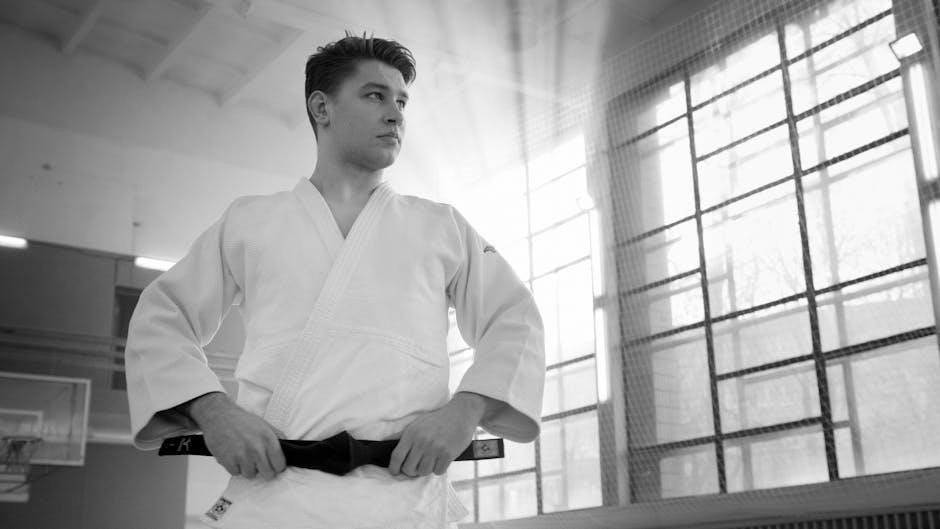
Selecting the right Karate Gi size is crucial for comfort, movement, and performance. This guide helps determine the perfect fit based on height, weight, and body type, ensuring optimal comfort during training and competitions.
Understanding the Importance of Proper Fit
A well-fitting Karate Gi is essential for both comfort and performance. Proper fit ensures unrestricted movement during techniques, allowing practitioners to train and compete effectively. Ill-fitting uniforms can lead to discomfort, restricted motion, or even inappropriate exposure, such as open pants during training. A Gi that is too tight may limit mobility, while one that is too loose can be impractical. Additionally, the right fit enhances confidence and adherence to martial arts etiquette. Considering factors like shrinkage and personal comfort preferences is crucial. This guide provides detailed insights to help practitioners choose a Gi that meets their needs, ensuring optimal performance and a professional appearance in the dojo or at tournaments.
Overview of Karate Gi Measurements and Sizing
Karate Gi sizing typically correlates with a practitioner’s height and weight, offering a range of sizes to accommodate different body types. Measurements generally include chest, waist, sleeve length, and pant length. These dimensions ensure a balanced fit, with enough space for movement while maintaining modesty. Sizes may vary slightly between brands, so comparative charts are essential for accurate selection. High-waisted pants and adjustable waistbands are common features, providing a secure fit. Fabric type and weight can also influence sizing, with heavier materials offering more structure and lighter ones prioritizing mobility. Understanding these measurements helps practitioners choose a Gi that aligns with their training needs and personal preferences, ensuring both comfort and functionality during practice.
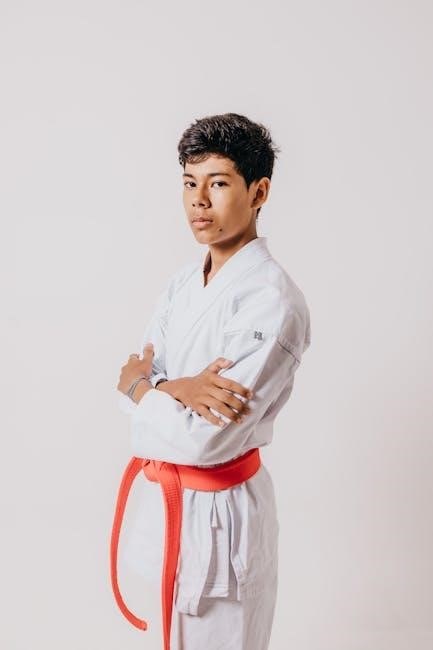
How to Measure for a Karate Gi
Measure chest and waist for the top, sleeve and pant length for fit, and consider weight and body type to ensure accuracy and comfort.
Measuring Chest and Waist Size
Accurate chest and waist measurements are essential for a proper fit. Wrap a flexible tape measure around the widest part of your chest, keeping it level and not too tight. For the waist, measure naturally at the narrowest point, usually just above the hipbone. Ensure the tape is parallel to the floor and not twisted. Take note of these measurements and compare them to the size chart. If your measurements fall between sizes, consider the next size up for comfort. Proper fit ensures unrestricted movement and prevents issues like gaping or restrictive fabric during training or competitions. Always double-check your measurements for accuracy.
Measuring Sleeve and Pant Length
To ensure the perfect fit, measure the sleeve length from the center back of the neck, over the shoulder, and down to the wrist. For pant length, measure from the natural waistline to the ankle bone. Keep the tape measure level and not twisted. Proper sleeve length allows full arm extension without restriction, while pants should cover the legs appropriately during kicks and movements. Ensure there’s a slight gap for comfort and movement. Consider fabric shrinkage when choosing sizes, as some materials may shrink slightly after washing. Accurate measurements ensure the gi fits well, allowing optimal performance during training and competitions. Always refer to the size chart for guidance.
Considering Weight and Body Type
Weight and body type are crucial factors in selecting the right Karate Gi. A person’s weight helps determine the appropriate size, ensuring the gi isn’t too tight or too loose. Body type, whether slim, average, or muscular, affects how the gi fits. For example, a muscular build may require a larger size to accommodate broader shoulders and chest. Slim individuals might prefer a tailored fit to avoid excess fabric. Some brands offer different cuts to suit various body types, so it’s important to choose a style that flatters your physique. Additionally, high-waisted pants can provide better coverage for taller practitioners. Considering these elements ensures comfort and mobility during training. Always check the size chart and product descriptions for specific guidance tailored to your body type and weight.
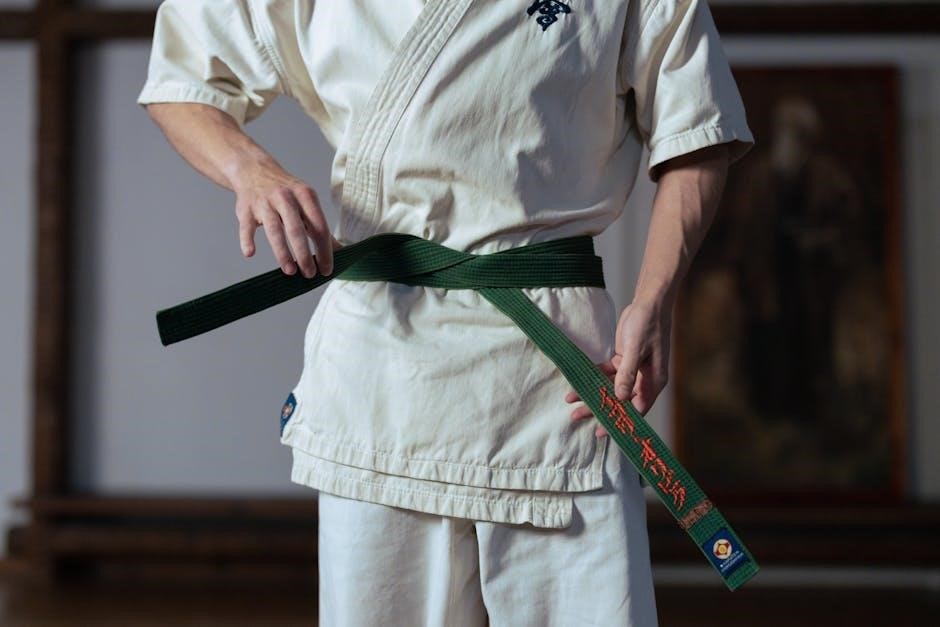
Factors Influencing Karate Gi Size
- Height, weight, and body type determine the best fit.
- Brand-specific sizing varies between manufacturers.
- Fabric type and potential shrinkage affect the fit over time.
Height and Weight Correlation
Height and weight are critical factors in determining the appropriate karate gi size. Generally, taller individuals require longer sleeves and pants, while shorter practitioners need shorter lengths. Weight correlates with chest and waist measurements, influencing the fit around the torso. However, it’s important to note that body composition can vary significantly even among individuals with similar height and weight, so personal measurements are essential for accuracy.
Most brands provide size charts that align height and weight ranges with specific gi sizes. These charts serve as a starting point, but they may not account for individual body types or preferences. Always cross-reference your measurements with the chart to ensure the best fit. Remember, proper fit is essential for both performance and comfort during training.

Body Type and Fit Preferences
Body type significantly impacts karate gi fit, as different shapes require tailored measurements. Slim individuals may prioritize a more fitted design, while those with broader shoulders or chests may need roomier options. Athletes with muscular builds often prefer gis with extra chest and shoulder space, ensuring freedom of movement. Conversely, those with slimmer frames might opt for narrower sleeves and a more streamlined fit.
Fit preferences also vary based on comfort and performance needs. Some practitioners prefer a snug, competition-style gi, while others prioritize comfort with a looser fit. Understanding your body type and how it aligns with available sizes ensures a gi that complements your training style and movement. Always consider personal comfort and mobility when selecting your gi size.
Brand-Specific Sizing Differences
Different karate gi brands often have unique sizing standards, which can vary significantly. Some brands cater to specific body types or competition requirements, offering tailored fits. For instance, European brands may differ from Japanese brands in terms of cut and sizing. Additionally, certain brands specialize in gis for children or heavier practitioners, ensuring a range of options.
Comparing size charts across brands is essential, as even the same numerical size may fit differently. Some brands size based on height and weight, while others focus on chest measurements. Fabric type and weave can also influence how a gi fits, making it crucial to consult brand-specific guidelines. Always review the sizing chart and product descriptions before making a purchase to ensure the best fit for your needs.
Choosing the Right Size for Your Needs
Selecting the perfect karate gi involves balancing fit, comfort, and functionality. Consider your training style, body type, and fabric preferences to ensure optimal performance and durability.
Comparative Size Charts Across Brands
Comparative size charts across brands reveal significant differences in how Karate Gis are sized. Each brand may have its own sizing standards based on target demographics, fabric type, and intended use. For instance, some brands cater to taller individuals with longer sleeves and pants, while others focus on a more fitted design. Fabric weight and weave can also affect how sizes fit, as heavier materials may feel tighter. It’s crucial to review each brand’s specific size chart rather than relying on universal standards. Consulting customer reviews and product descriptions can provide insights into how a particular brand’s sizes run. By understanding these variations, practitioners can make informed decisions to ensure their Gi offers both comfort and optimal performance during training or competition.
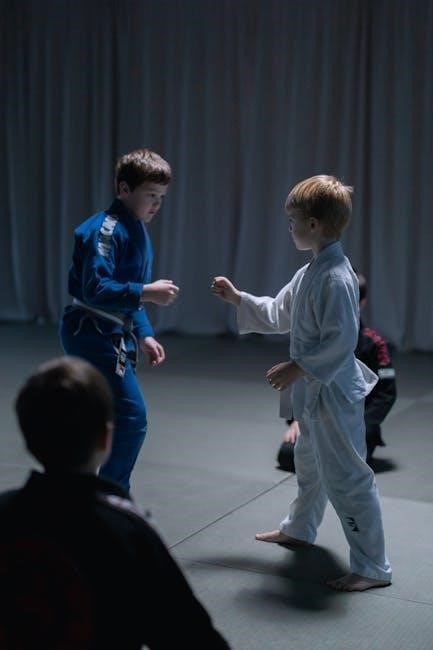
How Fabric Type Affects Fit
Fabric type plays a crucial role in determining the fit of a Karate Gi. Heavier fabrics, like canvas or heavyweight cotton, provide structure and durability but may feel stiffer and less flexible. Lighter fabrics, such as lightweight cotton or blends, offer more comfort and mobility but may lack durability. Some fabrics, like polyester blends, are more resistant to shrinkage but can feel tighter due to their density. Thicker fabrics tend to hold their shape better, while thinner ones drape more naturally on the body. The weave and thickness of the fabric also influence how it moves with the body, impacting both performance and comfort. Practitioners should choose fabrics that align with their training intensity and personal preference for optimal fit and functionality.
Visual Guide for Size Selection
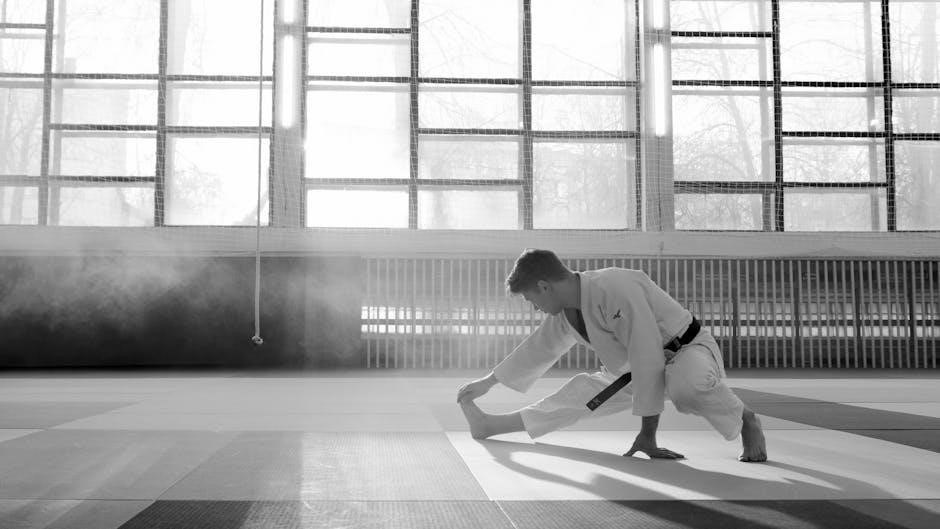
A visual guide is an essential tool for selecting the right Karate Gi size. It provides real-life references, showcasing how different sizes fit various body types. By comparing your measurements to images of practitioners wearing the Gi, you can better assess the fit. Look for guides that include front, side, and back views to evaluate sleeve length, pant length, and overall proportions. Pay attention to how the fabric drapes and how much room is left for movement. Visual guides often highlight key areas like chest width, shoulder fit, and waist alignment. They also help identify how different fabric weights and weaves affect the appearance and fit. Using these visuals can reduce guesswork and ensure your chosen size aligns with your training needs and personal comfort preferences.
Understanding Karate Gi Size Charts
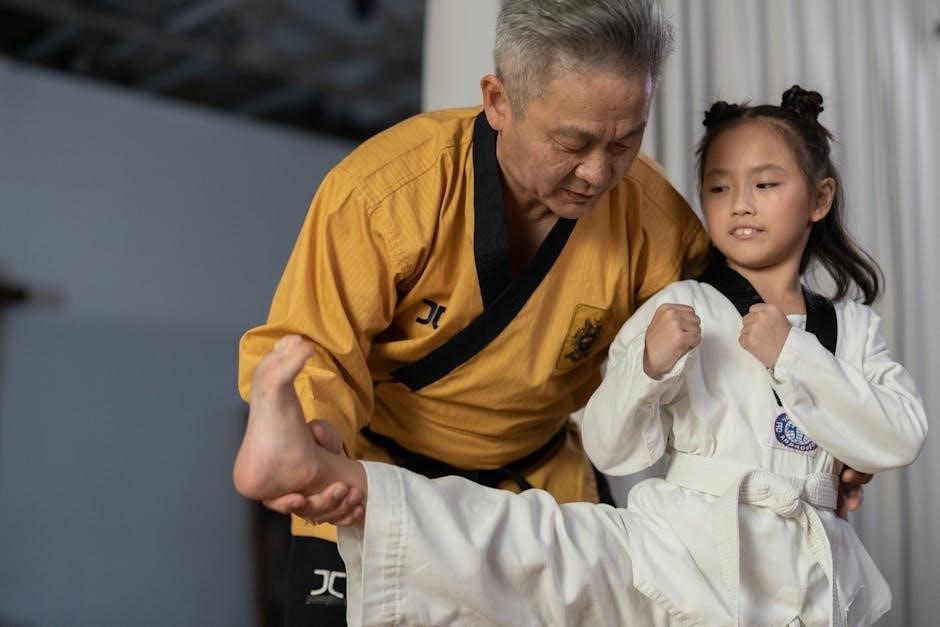
Karate Gi size charts provide standardized measurements for chest, waist, sleeve length, and pant length, helping practitioners choose the correct size based on their body dimensions.
Interpreting Measurement Tables
Measurement tables in a Karate Gi size guide provide detailed data to help you determine the best fit. These tables typically include chest, waist, sleeve, and pant lengths for each size. To interpret them, match your measurements to the closest size. Pay attention to the correlation between chest and waist sizes, as these are primary indicators of fit. Sleeve and pant lengths should align with your height and limb proportions. If your measurements fall between sizes, consider your preference for a snug or loose fit. Some tables may also include weight ranges, which can help refine your choice. Always cross-reference with the brand’s sizing chart, as variations exist. Accurate interpretation ensures optimal comfort and performance during training. Proper fit enhances mobility and technique, making it essential for serious practitioners.
Using Real-Life Photos for Reference
Real-life photos are invaluable for selecting the right Karate Gi size, as they provide a visual representation of how the garment fits on individuals with similar body types. By examining photos, you can assess how the Gi drapes, the sleeve length, and pant fit. Look for images of practitioners with your height and weight to gauge proportions. Pay attention to how the fabric lies across the chest and waist, ensuring it isn’t too tight or overly loose. Photos can also highlight features like shoulder seams and pant hems, helping you determine if the size aligns with your needs. Many brands and reviewers include such images, making it easier to correlate measurements with real-world appearance. This visual aid enhances accuracy, reducing the risk of sizing errors. Use these references alongside size charts for the best fit. Proper fit is crucial for both comfort and performance, ensuring optimal mobility during training. Always ensure the Gi allows a full range of motion without restriction. This approach guarantees a purchase that meets both functional and aesthetic expectations. Photos bridge the gap between measurements and real-life wear, making them an essential tool in your sizing journey. They provide a practical perspective that numbers alone cannot offer, ensuring satisfaction with your final choice. By leveraging visual references, you can confidently select a Karate Gi that meets your specific requirements. This method is particularly useful for those new to purchasing martial arts uniforms, offering a clearer understanding of how the garment should fit. Ultimately, real-life photos enhance the sizing process, making it more intuitive and effective for everyone involved.
Common Mistakes to Avoid
Not considering fabric shrinkage, ignoring movement comfort, and assuming uniform sizing across brands are common errors. Proper fit ensures optimal performance and comfort during training sessions.

Not Considering Shrinkage
Failing to account for fabric shrinkage is a common mistake when selecting a karate gi. Many gi fabrics, especially cotton, can shrink after washing, leading to a tighter fit. This oversight can result in discomfort and restricted movement during training. To avoid this, consider purchasing a gi slightly larger than your current measurements to accommodate potential shrinkage. Additionally, pre-washing the gi before the first use can help determine its final fit. Always check the care label for specific shrinkage expectations, as some brands may pre-shrink their fabrics. Properly anticipating shrinkage ensures your gi remains comfortable and functional after washing, maintaining optimal performance and mobility.
Ignoring Movement and Comfort
Overlooking the importance of movement and comfort when selecting a karate gi can significantly hinder performance and training. A gi that is too tight restricts mobility, making techniques difficult to execute, while one that is too loose may catch on belts or other equipment. Proper fit ensures ease of movement, allowing practitioners to focus on their forms and techniques without distraction. It’s essential to prioritize comfort, as discomfort during training can lead to poor focus and potential injuries. Always consider how the gi feels during dynamic movements, such as kicks, punches, and stances. A well-fitting gi enhances training efficiency and overall satisfaction, making it a critical factor in choosing the right size and style for your needs.
Final Tips for Selecting the Perfect Gi
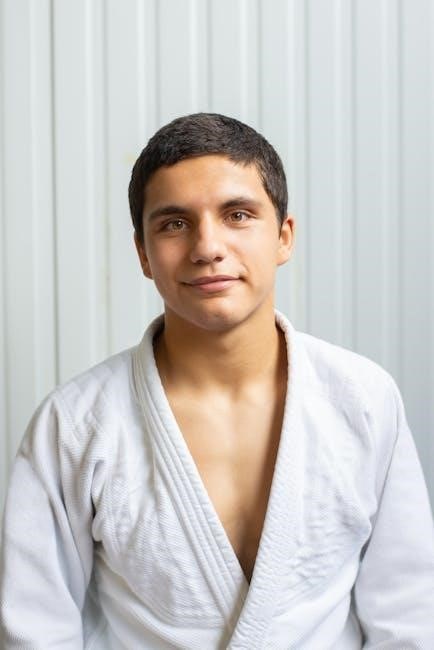
Try the gi on, consider fabric weight, and seek advice from instructors. Ensure proper fit for optimal performance and comfort during training sessions and tournaments.
Consulting Customer Reviews
Customer reviews are invaluable when selecting a karate gi. They provide real-life insights into fit, comfort, and durability. Look for reviews from practitioners with similar body types or needs. Pay attention to feedback on sizing accuracy, as experiences can vary by brand. Many reviewers highlight how the gi performs during training, including factors like breathability and flexibility. Some also mention shrinkage after washing, which is crucial for long-term fit. Reading multiple reviews can help identify common themes, such as whether a particular brand runs large or small. This feedback can guide your decision and ensure you choose a gi that meets your performance and comfort expectations. Always cross-reference reviews with size charts for the best fit.
Seeking Advice from Instructors
Consulting with a karate instructor can provide personalized guidance for selecting the right gi size. Instructors often have extensive experience with various brands and styles, offering valuable insights tailored to your training needs. They can assess your body type, movement requirements, and preferences to recommend the most suitable fit. Many instructors have seen how different gis perform over time and can advise on durability and comfort. Additionally, they may know which brands align with your specific martial arts style or school requirements. Their expertise can help you avoid common sizing mistakes and ensure your gi meets both functional and aesthetic standards for your training. Leveraging their knowledge will enhance your confidence in your choice and improve your overall performance.