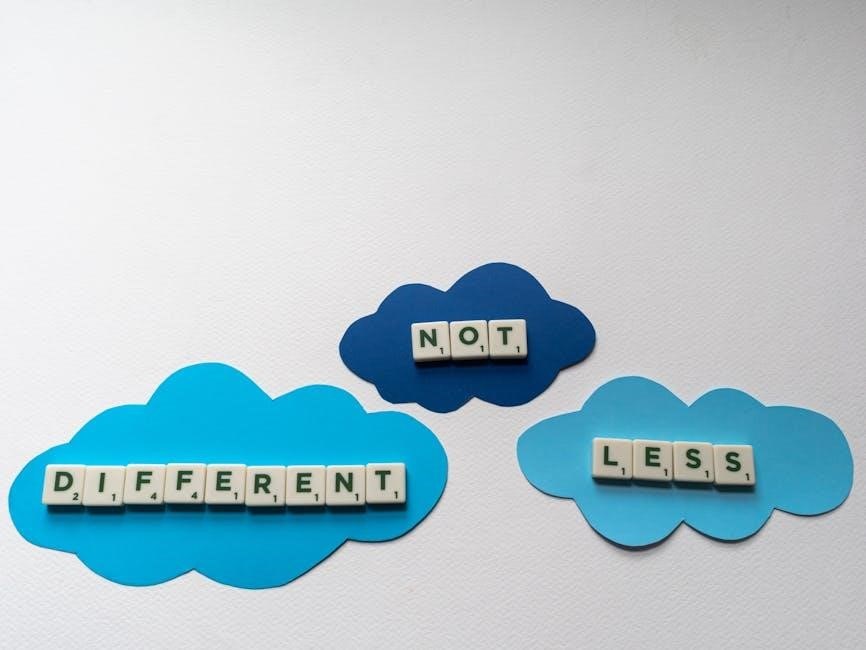
Life skills are essential for autistic individuals to achieve independence and confidence. Resources like PDF guides and checklists provide practical strategies for teaching daily living and social skills.
Understanding the Importance of Life Skills for Autistic Individuals
Life skills are crucial for autistic individuals to navigate daily tasks, fostering independence and confidence. They enable self-care, communication, and social interactions, reducing reliance on others. The TACA Functional Life Skills Checklist highlights essential abilities, while reports like those from the Autism Education Trust emphasize their inclusion in education. These skills empower individuals to thrive in various settings, promoting long-term well-being and self-advocacy. Prioritizing life skills ensures autistic individuals can lead fulfilling, independent lives.
The Role of Life Skills in Promoting Independence
Life skills play a vital role in fostering independence for autistic individuals by enabling them to manage daily tasks, self-care, and social interactions. These skills, such as time management and organization, empower individuals to function autonomously. Resources like the TACA Functional Life Skills Checklist and reports from the Autism Education Trust highlight their importance. By mastering these skills, autistic individuals gain confidence, reduce reliance on others, and develop the ability to advocate for themselves, leading to a more self-sufficient and fulfilling life.

Key Life Skills for Individuals with Autism
Essential life skills include communication, self-care, time management, social interaction, and emotional regulation, all of which are crucial for daily functioning and independence, as highlighted in life skills guides.
Communication Skills
Communication skills are vital for autistic individuals, enabling effective expression and understanding. Tools like PECS and social stories help develop verbal and non-verbal interactions. These strategies foster clear expression of needs, wants, and emotions, while also improving listening and comprehension. Practicing active listening and using visual aids can enhance these abilities. Strengthening communication fosters meaningful relationships and confidence in social settings, making it a cornerstone of daily interactions and independence, as emphasized in life skills guides and resources.
Self-Care and Personal Hygiene

Self-care and personal hygiene are foundational life skills for autistic individuals, promoting health and confidence. Free printable worksheets and guides offer structured routines for tasks like brushing teeth, using the bathroom, and washing hands. These tools provide consistency and repetition, essential for learning and retention. Mastering these skills fosters independence and self-esteem, enabling individuals to maintain their well-being and participate fully in daily activities. Life skills resources emphasize the importance of these routines in building a strong foundation for overall independence and quality of life.
Time Management and Organization
Time management and organization are critical life skills for autistic individuals, helping them navigate daily routines and responsibilities. Visual aids, such as schedules and checklists, provide structure and clarity. These tools enable individuals to prioritize tasks, manage transitions, and maintain order in their environment. Life skills resources, including printable guides, offer practical strategies to teach these concepts. Mastering time management and organization fosters independence, reduces anxiety, and enhances overall quality of life by promoting a sense of control and accomplishment in daily activities.
Social Interaction and Relationship Building
Social interaction and relationship-building skills are vital for autistic individuals to connect with others and form meaningful relationships. Resources like free printable worksheets and guides offer practical tools to teach social communication and emotional intelligence. These materials help individuals understand social cues, initiate conversations, and develop friendships. Structured activities and visual aids, such as social stories, can also enhance these skills, fostering confidence and inclusivity in various social settings. Building strong social skills supports lifelong relationships and community integration.
Emotional Regulation and Self-Advocacy
Emotional regulation and self-advocacy are critical life skills for autistic individuals, helping them manage feelings and communicate their needs effectively. Many autistic adults face challenges with emotion dysregulation, making it essential to develop strategies for self-awareness and emotional intelligence. Resources like life skills PDF guides and worksheets provide practical tools to teach self-advocacy techniques, enabling individuals to express their preferences and boundaries confidently. These skills foster resilience, self-esteem, and the ability to navigate complex social and emotional situations independently.
Teaching Life Skills to Autistic Individuals
Teaching life skills to autistic individuals often involves using visual aids, structured routines, and ABA techniques. These methods provide consistency and practical strategies for skill development.
Using Visual Aids and Structured Routines
Visual aids and structured routines are powerful tools for teaching life skills to autistic individuals. They provide clarity and predictability, helping individuals understand expectations and tasks.
Tools like visual schedules, checklists, and step-by-step guides can be used to break down complex tasks into manageable steps, fostering independence and confidence in daily routines and activities.
Applied Behavior Analysis (ABA) Techniques
Applied Behavior Analysis (ABA) is a widely recognized approach for teaching life skills to autistic individuals. It focuses on breaking down complex skills into smaller, manageable steps and reinforcing positive behaviors. ABA techniques emphasize repetition, consistency, and positive reinforcement to help individuals master daily routines, social interactions, and self-care. By tailoring interventions to individual needs, ABA supports long-term skill development and independence. Resources like ABA-based worksheets and guides are available to aid parents and educators in implementing these strategies effectively.
Incorporating Life Skills into Daily Routines
Incorporating life skills into daily routines helps autistic individuals practice and generalize skills in real-life settings. Structured schedules and visual aids can make learning more effective. For example, morning routines can teach time management, while chores can foster independence. Consistency and repetition are key, as they help reinforce new behaviors. Parents and educators can use life skills printables and guides to integrate these practices seamlessly into daily life, ensuring continuous progress and confidence-building for individuals with autism.

Resources for Life Skills Development
Functional Life Skills Checklists, free printable worksheets, and online platforms like NFlyte offer practical tools for teaching and reinforcing daily living and social skills for autism.
Functional Life Skills Checklist for Autism
The Functional Life Skills Checklist for Autism is a valuable tool for identifying and tracking essential skills. It covers daily routines, personal hygiene, and home care, helping parents and educators tailor support. Customizable to individual needs, it ensures focus on relevant skills. Available as a free PDF, it offers a structured approach to skill development, promoting independence and confidence in autistic individuals. This resource is widely recommended for creating personalized learning plans.
Free Printable Worksheets and Guides
Free printable worksheets and guides are excellent resources for teaching life skills to autistic individuals. They offer structured activities for personal hygiene, daily chores, and social interactions. These tools provide consistency and repetition, aiding in skill retention. Available for various age groups, they cater to different learning levels. Worksheets focus on specific areas like communication and self-care, making them adaptable to individual needs. Downloading these resources helps create a supportive learning environment, fostering independence and confidence in daily routines.
Online Platforms and Apps for Skill Development
Online platforms and apps are invaluable for skill development in autistic individuals. Tools like NFlyte offer daily living skills management, while apps provide interactive exercises for social and practical skills. These resources cater to diverse learning needs, promoting independence and confidence. Many platforms incorporate visual aids and structured routines, aligning with ABA techniques. They also offer community engagement opportunities, fostering connections and skill-sharing. Such digital solutions are accessible and adaptable, making them essential for modern skill development in autism support.

Education and Life Skills Training
Curriculum design for special education emphasizes life skills, with community field trips and model apartments offering practical learning experiences for autistic individuals to build independence and confidence.
Curriculum Design for Special Education
A well-structured curriculum for special education focuses on integrating life skills into academic learning. It aligns life skill lessons with general education subjects, such as social studies, to promote practical application. The curriculum is designed to address essential areas like communication, safety, and self-regulation, ensuring students with autism can apply these skills in real-life situations. Year-long programs often include leveled daily curricula tailored to individual needs, offering worksheets and practical strategies to enhance learning and independence.
Community Field Trips as Learning Tools
Community field trips serve as valuable learning tools for autistic students, offering real-life experiences that enhance life skills. These trips, often part of special education programs, allow students to practice social interactions, problem-solving, and independence in public settings. For example, visits to cafes or stores help students apply skills like ordering food or shopping. Such experiences foster confidence and the ability to generalize skills learned in the classroom to real-world environments, preparing them for greater autonomy in daily life.
Model Apartments for Young Adults with Autism
Model apartments, like the FILLS Room at FSU Panama City, provide young adults with autism a realistic environment to practice life skills. These spaces, often funded by donations, include kitchenettes, laundry areas, and living spaces. They allow individuals to learn cooking, cleaning, and budgeting while building independence. Such initiatives aim to bridge the gap between structured learning and real-world application, equipping autistic adults with the confidence and practical abilities needed for independent living and self-sufficiency in their future homes.

Employment and Career Development
Employment programs and inclusive workplaces empower autistic individuals to gain work skills, fostering independence and confidence. Entrepreneurship offers additional opportunities for self-employment and career growth.
Work Skills Programs for Autistic Youths
Work skills programs for autistic youths focus on developing practical abilities for employment. These initiatives often include hands-on training in real-world settings, such as cafes or model apartments, to teach time management, task completion, and financial literacy. Programs like the one at FSU Panama City’s FILLS Room and Teesside’s Glowsticks Café provide opportunities for young adults to gain confidence and independence. These structured environments help bridge the gap between education and employment, preparing individuals for future career success and self-sufficiency.
Career Opportunities in Inclusive Workplaces
Inclusive workplaces are crucial for autistic individuals, offering tailored support and accommodations. Programs like the café in Teesside, where 85% of staff are autistic, demonstrate successful employment opportunities. These environments foster independence and confidence, allowing individuals to thrive. Skills such as time management and task completion are emphasized, preparing autistic youths for diverse career paths. Such initiatives highlight the importance of creating accessible and supportive workspaces that value neurodiversity and empower individuals to reach their full potential in their chosen careers.
Entrepreneurship and Self-Employment Options
Entrepreneurship offers autistic individuals autonomy and the chance to leverage their unique strengths. Initiatives like the Teesside café and platforms such as NFlyte provide resources for self-employment. These opportunities foster independence, confidence, and skill development, enabling autistic adults to thrive in self-directed careers. By aligning their passions with practical life skills, individuals can create fulfilling ventures that showcase their talents and contribute to their communities, supported by tailored tools and inclusive environments that empower neurodiverse entrepreneurs.

Mental Health and Well-being
Autistic adults often face mental health challenges, including emotion dysregulation. Support systems and strategies are crucial to enhance well-being and address these difficulties effectively.
Addressing Emotion Dysregulation
Emotion dysregulation is common among autistic individuals, impacting mental health. Strategies like visual aids, structured routines, and positive reinforcement help manage emotions. Incorporating these tools into daily life fosters independence and confidence, reducing stress and anxiety. Life skills resources, such as PDF guides, offer practical approaches to teach emotional regulation, enabling individuals to navigate challenges effectively and improve overall well-being.
Building Self-Esteem and Confidence
Building self-esteem and confidence is crucial for autistic individuals to thrive. Life skills resources, such as printable worksheets and guides, help develop personal hygiene habits and daily routines, fostering independence. These tools provide consistency and repetition, essential for learning and retention. By mastering these skills, individuals gain confidence in self-care and daily tasks, promoting a positive self-image and emotional well-being. Such resources empower autistic individuals to navigate life challenges with greater assurance and resilience.
Supporting Mental Health in Autistic Adults
Supporting mental health in autistic adults is vital, as they often face challenges like emotion dysregulation and higher rates of mental health difficulties. Life skills resources, such as PDF guides and checklists, provide practical strategies to enhance emotional well-being. These tools help individuals develop self-regulation skills and build resilience. Caregivers and professionals can use these resources to create tailored support plans, fostering a positive environment for mental health. Addressing these needs early can significantly improve long-term outcomes and quality of life for autistic adults.
Community Integration and Social Participation
Community integration and social participation are vital for autistic individuals, offering real-life learning through field trips, social groups, and volunteering, fostering confidence and independence in society.
Community-Based Learning Experiences
Community-based learning experiences provide autistic individuals with real-world opportunities to practice life skills. Field trips, volunteering, and hands-on activities in natural settings enhance social interactions and practical skill development. These experiences, such as visiting farms or participating in local projects, foster independence and confidence. They also promote emotional regulation and self-advocacy by exposing individuals to diverse environments and challenges. Tailored to individual needs, these experiences are essential for building a strong foundation for lifelong learning and community engagement.
Participating in Social Groups and Clubs
Participating in social groups and clubs is vital for autistic individuals to develop social communication and emotional regulation skills. These settings provide opportunities to interact with peers, fostering friendships and a sense of belonging. Structured activities and shared interests create a supportive environment for practicing social cues, initiating conversations, and understanding group dynamics. Such experiences enhance confidence, reduce anxiety, and promote meaningful connections, helping individuals build a strong social foundation for lifelong relationships and community integration.
Volunteering and Civic Engagement
Volunteering and civic engagement offer autistic individuals opportunities to contribute to their communities while developing social and practical skills. Participating in activities like helping at local farms or community centers fosters a sense of purpose and fulfillment. These experiences enhance communication, teamwork, and emotional regulation while promoting inclusivity. Volunteering also builds confidence and provides a platform for autistic individuals to advocate for causes they care about, strengthening their connection to society and encouraging active citizenship.

Tools and Strategies for Caregivers
Tools like TACA’s Functional Life Skills Checklist and free PDF guides help caregivers structure routines, track progress, and teach life skills effectively, fostering independence and confidence.
Creating a Supportive Home Environment
A supportive home environment is crucial for fostering life skills in autistic individuals. Using tools like visual aids and structured routines helps create consistency and predictability. Incorporating life skills into daily tasks, such as personal hygiene and organization, encourages independence. Positive reinforcement and clear communication are key strategies to build confidence and self-esteem. Parents and caregivers can utilize resources like TACA’s Functional Life Skills Checklist to identify and prioritize skills tailored to their child’s needs, ensuring a personalized approach to development.
Using Positive Reinforcement Techniques
Positive reinforcement is a powerful tool for teaching life skills to autistic individuals. By rewarding desired behaviors with praise, visual rewards, or small incentives, caregivers can encourage repetition and mastery of tasks. Consistency and repetition are key, as they help build confidence and independence. For example, rewarding a child for completing a chore or practicing self-care fosters a sense of accomplishment. This approach, supported by resources like life skills printables, helps create a motivating and supportive learning environment tailored to individual needs.
Collaborating with Therapists and Educators
Collaboration between caregivers, therapists, and educators is crucial for effective life skills development. Sharing strategies and goals ensures consistency and alignment in teaching methods. Therapists can provide tailored techniques, while educators integrate skills into daily routines. Parents play a vital role in reinforcing these practices at home. Tools like the Functional Life Skills Checklist help identify priorities and track progress. This teamwork fosters a supportive environment, enabling autistic individuals to thrive and achieve their full potential with coordinated efforts.

Advocacy and Support Systems
Empowerment through self-advocacy, community programs, and family support is vital. Collaboration between parents and professionals ensures comprehensive care and skill development for autistic individuals.
Self-Advocacy and Empowerment
Self-advocacy empowers autistic individuals to express their needs and make informed decisions. It fosters independence and confidence, enabling them to navigate life effectively. Through structured programs and mentorship, individuals learn to communicate their preferences and assert their rights. Empowerment strategies include self-awareness, goal-setting, and problem-solving, which are often supported by resources like life skills PDF guides. These tools provide practical advice and exercises to enhance self-advocacy skills, ensuring individuals can thrive in various environments.
Family Support and Involvement
Family support is crucial for fostering life skills in autistic individuals. Parents and caregivers play a key role in creating a nurturing environment that encourages learning and growth. Resources like life skills PDF guides provide families with practical tools to teach daily living and social skills. Collaborating with teachers and therapists ensures consistency and reinforces learning. Families can use checklists and worksheets to track progress and celebrate milestones, helping their loved ones build confidence and independence.
Community Advocacy Programs
Community advocacy programs play a vital role in promoting life skills for autistic individuals. Initiatives like corporate-funded work skills programs and community field trips provide real-life learning experiences. Model apartments and cafes offer practical environments for skill development. These programs foster independence, confidence, and social integration. Advocacy efforts ensure inclusive opportunities, empowering autistic individuals to thrive in their communities. By engaging local organizations, these programs create supportive networks that enhance overall well-being and future prospects.
Life skills training empowers autistic individuals, fostering independence and confidence. Resources like PDF guides and checklists offer practical support, ensuring a brighter, more inclusive future for all.
The Long-Term Benefits of Life Skills Training
Life skills training fosters independence, confidence, and self-advocacy in autistic individuals. These skills enhance daily routines, education, and employment opportunities, promoting long-term success and community integration. Resources like PDF guides and checklists provide structured support, ensuring sustained growth and empowerment.
Future Directions in Life Skills Development
Future directions in life skills development for autism focus on innovative approaches, such as digital platforms and community-based learning. These advancements aim to enhance accessibility and engagement, ensuring individuals gain practical skills for independence. Emphasizing inclusive education and real-world applications, these strategies foster confidence and long-term success, preparing autistic individuals for diverse challenges and opportunities in their lives.