
MCAT biology PDFs compile core concepts, practice questions, and review chapters, enabling focused study. These resources mirror AAMC content, covering cellular, biochemical, physiological, and evolutionary topics. They support active learning, annotation, and quick retrieval for exam prep. and interactive quizzes.!

Official MCAT Biology PDF Study Guide from AAMC
The American Association of Medical Colleges (AAMC) releases a biology PDF that mirrors the current MCAT format, covering all core content areas. It is organized into four sections—cellular biology, biochemistry, physiology, and genetics—each with concise explanations and end‑of‑section practice questions. The PDF includes clickable links to the AAMC’s online practice platform, embedded flashcards, and a built‑in annotation layer for highlighting and margin notes. Students can download the guide after creating a free AAMC account; the file is in PDF/A format for long‑term compatibility across devices. The guide also offers a study‑planner worksheet that helps learners schedule review sessions aligned with the MCAT’s four content areas. Because it is produced by the exam’s governing body, the material reflects the latest changes to the test’s content outline and scoring rubric. The PDF is licensed for personal, non‑commercial use; the AAMC also offers a short‑term institutional license for schools to distribute copies to enrolled students. By using the official guide, test‑takers gain confidence that every concept they review is directly tied to the questions they will face on exam day. The document spans over 200 pages and includes a searchable index that lets users quickly locate terms such as “mitochondrial DNA” or “homeostasis.” The guide’s layout is optimized for both desktop and mobile viewing, ensuring learners can study on the go without losing formatting or functionality. Students export highlighted passages to a separate file for review.

Third-Party Biology PDF Compilations
Third‑party biology PDFs are curated by independent publishers and educational platforms, offering a breadth of study materials that complement the official AAMC guide. These compilations often aggregate high‑yield topics, detailed diagrams, and practice questions sourced from reputable sources such as Kaplan, Princeton Review, and Examkrackers. They are typically organized by subject area—cell biology, genetics, biochemistry, physiology, and ecology—mirroring the MCAT’s content framework. Many of these PDFs incorporate interactive elements, such as embedded hyperlinks to video explanations, downloadable flashcards, and color‑coded annotations that aid in visual learning. Users can annotate directly within the PDF using PDF readers that support comment layers, allowing them to mark key concepts, add personal notes, and track progress over time. Some providers offer companion mobile apps that sync annotations across devices, ensuring continuity between desktop and on‑the‑go study sessions. Licensing for third‑party PDFs varies: some are sold as single‑user licenses, while others offer institutional subscriptions for educational institutions. It is essential to verify that the PDF’s license permits personal use and that the content aligns with the current MCAT blueprint, as updates to the exam can render older materials obsolete. When selecting a third‑party compilation, reviewers often look for up‑to‑date content, comprehensive coverage of high‑yield topics, and a user interface that supports efficient navigation. The value of these resources lies in their ability to provide diverse explanations and practice scenarios, helping students reinforce understanding and identify gaps before the exam day. By integrating third‑party PDFs with official study plans, test‑takers can create a robust, multi‑source learning ecosystem that maximizes retention and exam readiness. Remember to review every section thoroughly before the test.!!!??

Key Biology Topics Covered in the MCAT
The MCAT biology section focuses on cellular and molecular biology, biochemistry, genetics, physiology, anatomy, ecology, and evolution. It tests mechanisms of cellular processes, metabolic pathways, genetic regulation, organ system function, and evolutionary principles. They integrate science with reasoning data analysis;
Cellular and Molecular Biology
MCAT biology PDFs emphasize foundational concepts in cellular and molecular biology, covering the structure and function of organelles, membrane transport mechanisms, signal transduction pathways, and the central dogma of molecular biology. They include detailed explanations of DNA replication, transcription, translation, and post‑translational modifications, as well as enzyme kinetics, metabolic regulation, and the genetic code. Students can annotate key diagrams, highlight critical pathways, and link molecular events to physiological outcomes. The PDFs also feature practice questions that test the application of these concepts to real‑world scenarios, such as drug interactions, disease mechanisms, and evolutionary adaptations. By integrating visual aids, concise summaries, and targeted problem sets, these resources help learners build a robust understanding of cellular processes and molecular mechanisms essential for success on the MCAT.
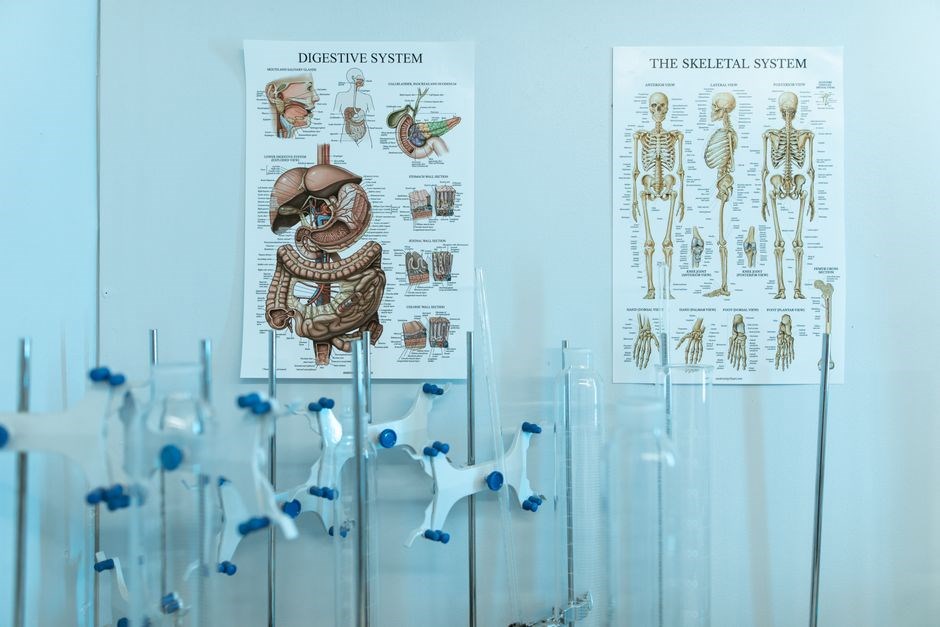
Key topics highlighted in these PDFs include:
- Cellular structure and organelle function: detailed descriptions of the nucleus, mitochondria, endoplasmic reticulum, Golgi apparatus, lysosomes, peroxisomes, and cytoskeleton, with emphasis on their roles in energy production, protein synthesis, and intracellular transport.
- Membrane transport: passive diffusion, facilitated diffusion, active transport, endocytosis, exocytosis, and the roles of transport proteins and ATPases in maintaining ion gradients and cellular homeostasis.
- Signal transduction: receptor types (G‑protein coupled, tyrosine kinase, ion channel), second messenger systems (cAMP, IP3/DAG, calcium), and downstream effects on gene expression, metabolism, and cell cycle regulation.
- Genetic information flow: DNA replication fidelity, mismatch repair, RNA polymerase function, mRNA processing (capping, splicing, polyadenylation), ribosomal assembly, and the role of tRNA and aminoacyl‑tRNA synthetases in translation.
- Enzyme kinetics and regulation: Michaelis–Menten parameters, competitive and non‑competitive inhibition, allosteric regulation, covalent modification, and feedback loops that control metabolic pathways such as glycolysis, gluconeogenesis, and the citric acid cycle.
- Cell cycle and apoptosis: checkpoints (G1, S, G2, M), cyclins, cyclin‑dependent kinases, and the intrinsic and extrinsic pathways of programmed cell death, including the roles of caspases, Bcl‑2 family proteins, and mitochondrial membrane permeabilization.
- Genetic variation and inheritance: Mendelian genetics, linkage, recombination, mutation types (point, insertion, deletion, translocation), and the molecular basis of hereditary diseases, including single‑gene disorders, chromosomal abnormalities, and polygenic traits.
- Immunology fundamentals: innate vs; adaptive immunity, antigen presentation, B‑cell and T‑cell development, clonal selection, and the molecular interactions that underlie immune responses and tolerance.
Each section is accompanied by illustrative figures, concise bullet‑point summaries, and embedded hyperlinks to supplementary videos or interactive modules when available. The PDFs encourage active learning through annotation tools, allowing students to underline key terms, add margin notes, and create custom flashcards directly from highlighted text. This approach not only reinforces retention but also facilitates quick review of complex pathways during timed practice sessions. The comprehensive coverage of cellular and molecular biology ensures that test takers can confidently tackle both conceptual questions and data‑interpretation problems that are central to the MCAT’s biology component.
Biochemistry and Genetics
MCAT biology PDFs that focus on biochemistry and genetics distill core concepts into digestible segments. They begin with a primer on macromolecules, detailing the structure and function of DNA, RNA, proteins, and lipids. The sections on nucleic acids cover replication fidelity, mismatch repair, transcription initiation, promoter architecture, and RNA splicing, highlighting how mutations alter gene expression. Students can trace the flow from gene to protein, noting the roles of promoters, enhancers, silencers, and epigenetic marks such as DNA methylation and histone acetylation. The metabolic pathways are mapped with clear diagrams of glycolysis, the citric acid cycle, oxidative phosphorylation, and the pentose phosphate pathway, each annotated with key regulatory enzymes and thermodynamic checkpoints. Lipid metabolism, amino‑acid catabolism, and nucleotide synthesis are also reviewed, emphasizing the biochemical basis of metabolic disorders and cancer metabolism; Enzyme kinetics sections explain Michaelis–Menten parameters, competitive and non‑competitive inhibition, and allosteric regulation, linking theory to real‑world drug interactions. The PDFs incorporate practice questions that require interpretation of kinetic data, prediction of mutation effects on enzyme activity, and analysis of metabolic flux. Annotation tools allow learners to highlight reaction schemes, annotate enzyme names, and create flashcards for key metabolites and genetic terms. By integrating visual aids, concise summaries, and targeted practice, these resources build a solid foundation for the MCAT’s biochemistry and genetics section.
These PDFs also feature concise tables summarizing enzyme kinetics, metabolic flux, and genetic inheritance patterns. Students can quickly reference key constants, regulatory points, and mutation effects, facilitating rapid recall during timed practice. The integrated flashcard sets target high‑yield terms, ensuring that learners reinforce critical concepts and build confidence for the MCAT’s demanding biology section.
Physiology and Anatomy
MCAT biology PDFs dedicated to physiology and anatomy distill complex systems into concise, high‑yield summaries. They begin with cardiovascular physiology, outlining cardiac cycle mechanics, pressure‑volume relationships, and the Frank–Starling law, while integrating ECG interpretations and arrhythmia causes. Respiratory sections cover alveolar gas exchange, ventilation‑perfusion matching, and the mechanics of breathing, with diagrams illustrating the role of surfactant and the regulation of ventilation by chemoreceptors. The neuro‑endocrine PDFs detail the hypothalamic‑pituitary axis, neurotransmitter synthesis, and synaptic transmission, linking hormonal feedback loops to homeostatic regulation. Digestive physiology is mapped through enzyme secretion, intestinal absorption, and the regulation of gastric pH, while renal physiology PDFs explain glomerular filtration, tubular reabsorption, and the counter‑current multiplier system. Musculoskeletal PDFs cover muscle contraction mechanics, the sliding filament theory, and the regulation of calcium release, complemented by bone remodeling pathways and the role of osteoblasts and osteoclasts. Each section includes targeted practice questions that require interpretation of physiological data, calculation of cardiac output, or analysis of metabolic rates. Annotation tools enable highlighting of key equations, physiological constants, and anatomical landmarks, while flashcard integration focuses on high‑yield terms such as “sympathetic tone,” “renal concentrating ability,” and “muscle fiber types.” Exam confidence rises.

Ecology and Evolution
MCAT biology PDFs dedicated to ecology and evolution distill the core concepts of natural selection, population genetics, speciation, ecological interactions, and evolutionary mechanisms into concise, high‑yield summaries. They begin by explaining the principles of fitness, adaptation, and the role of genetic drift in shaping allele frequencies. Population genetics sections cover Hardy–Weinberg equilibrium, effective population size, and the impact of mutation, migration, and selection on genetic variation. Speciation PDFs illustrate allopatric, sympatric, and parapatric models, using classic examples such as cichlid fishes and Darwin’s finches to demonstrate how geographic isolation and ecological pressures drive divergence.
Ecological interactions are mapped through predator‑prey dynamics, competition, mutualism, and parasitism, supported by Lotka–Volterra equations and food‑web diagrams. Ecosystem dynamics PDFs discuss energy flow, trophic levels, nutrient cycling, and the consequences of anthropogenic disturbances on biodiversity. Evolutionary mechanisms sections integrate molecular evolution, gene duplication, horizontal gene transfer, and the molecular clock, linking phylogenetic trees to divergence times. Each PDF includes practice problems that require interpretation of fitness curves, calculation of effective population size, or analysis of ecological data sets. Annotation tools highlight key equations, evolutionary terms, and ecological diagrams, while flashcard integration focuses on high‑yield concepts such as “neutral theory,” “coevolution,” and “cladistics.” These PDFs also provide visual aids, such as phylogenetic trees and ecological flowcharts, to reinforce conceptual understanding. can annotate within the PDFs to track progress!!

How to Use PDFs Effectively for Studying
Use PDFs by scanning sections, highlighting key terms, annotating margins, and summarizing each page. Create flashcards from highlighted text, review daily, and test yourself with embedded questions. Organize PDFs into folders by topic, and sync across devices for on‑the‑go study. Review weekly summaries to reinforce !

Annotation and Highlighting Tips
When tackling MCAT biology PDFs, start by skimming the chapter to locate major headings and sub‑headings. Use a color‑coded system: blue for definitions, green for mechanisms, red for critical data, and yellow for cross‑links to other sections. Highlight only the most essential sentences—avoid over‑highlighting. After each page, write a one‑sentence summary in the margin, noting the core concept and any related figure or table. This reinforces recall and creates a quick reference map. For complex pathways, draw a miniature diagram directly on the PDF using annotation tools, labeling inputs, outputs, and feedback loops. When encountering unfamiliar terminology, type the word into a digital dictionary, then copy the definition into a note‑taking app linked to the PDF. Use the “comment” feature to pose questions or flag areas that need deeper review. Periodically, export the annotated PDF to a PDF‑to‑text converter, then import the text into a spaced‑repetition flashcard system like Anki; this turns passive reading into active retrieval practice. Finally, schedule weekly review sessions where you revisit all highlighted sections, test yourself with the embedded MCAT practice questions, and adjust your annotations based on new insights or corrections. Consistent, strategic annotation turns static pages into a dynamic study tool that mirrors the MCAT’s emphasis on integration and critical thinking.
Digital Flashcard Integration
Integrating digital flashcards with MCAT biology PDFs turns static study material into an interactive, spaced‑repetition system that mirrors the exam’s emphasis on applied knowledge. Begin by selecting a robust platform—Anki, Quizlet, or Brainscape—each supporting PDF import or manual entry. For each PDF section, extract key facts: molecular mechanisms, biochemical pathways, physiological systems, and evolutionary principles. Use the platform’s “cloze” feature to create fill‑in‑the‑blank cards that mimic MCAT question style. For example, “The enzyme that catalyzes the conversion of ________ to ________ in glycolysis is hexokinase.” This forces retrieval of both substrate and product. When adding images, embed diagrams of cellular structures or metabolic fluxes; the visual cue aids memory. Tag each card with relevant MCAT content categories—Cellular and Molecular Biology, Biochemistry, Physiology, Ecology—to enable focused review sessions. Schedule spaced repetition intervals based on the platform’s algorithm; review high‑difficulty cards daily, medium ones weekly, and low ones monthly. Periodically export your deck to a CSV file and cross‑check with the PDF’s annotated notes to ensure completeness. Finally, sync your device so that you can study on the go, turning commute time into productive revision. Consistent flashcard use turns static PDF content into an interactive, self‑testing study companion that aligns with the MCAT’s emphasis on applied knowledge.
Use the built‑in statistics to track mastery, adjust focus, and keep your study plan data‑driven for the high‑stakes MCAT and stay on.

Practice Questions and PDF Workbooks
MCAT biology PDFs often bundle question banks that mirror the AAMC format, offering thousands of practice items across cellular, biochemical, physiological, and evolutionary domains. These workbooks include detailed answer explanations, allowing students to identify reasoning gaps and reinforce conceptual understanding. Many resources integrate adaptive testing features: after each question, the PDF prompts a brief reflection prompt, encouraging active recall before revealing the solution. Users can annotate directly on the PDF, highlighting correct answers and noting common misconceptions. Digital workbooks support export of performance metrics to spreadsheets, enabling data‑driven study plans. For maximum effectiveness, pair the workbook with spaced‑repetition flashcards, converting every correct answer into a review card. Some publishers provide companion mobile apps that sync with the PDF, offering on‑the‑go practice and instant feedback. The combination of structured practice questions and interactive PDF workbooks creates a comprehensive learning loop that aligns with the MCAT’s emphasis on applied knowledge and critical thinking. By consistently cycling through these practice questions, students develop a robust mental model of biological systems, enabling them to tackle the MCAT’s integrative reasoning tasks with confidence and speed. Moreover, the PDF format allows students to track progress over time, noting which topics require deeper review and which concepts have been mastered, ensuring a balanced and efficient study schedule. Ultimately, mastery of these PDFs translates into higher MCAT scores and a smoother path to medical school. Mastering PDFs boosts MCAT scores and eases the school journey

Download Sources and Licensing Considerations
Students seeking MCAT biology PDFs should first consult the official AAMC website, which offers a limited selection of free sample questions and downloadable study guides under strict copyright terms. The AAMC’s “Practice Materials” section provides PDFs that can be legally accessed for personal study; however, redistribution or commercial use is prohibited. For comprehensive collections, many learners turn to reputable third‑party publishers such as Kaplan, Princeton Review, and Examkrackers. These companies host extensive PDF libraries that include full‑length workbooks, chapter summaries, and question banks. Licenses for these materials typically allow individual use only, and the PDFs are protected by digital rights management (DRM) to prevent unauthorized sharing. When downloading from online marketplaces or peer‑to‑peer sites, users must verify that the files are legitimate copies and not pirated content, as infringing materials can lead to legal penalties and compromised data security. Some educational platforms offer subscription models that grant temporary access to a rotating set of PDFs; these subscriptions often include cloud‑based annotation tools and integration with spaced‑repetition apps. Additionally, open‑access repositories such as the National Center for Biotechnology Information (NCBI) host publicly available biology texts that can be converted into study PDFs, though these resources may not align perfectly with the current MCAT syllabus. Students should always read the end‑user license agreements before downloading, ensuring compliance with copyright law and protecting both their academic integrity and the intellectual property of content creators. By selecting reputable sources and respecting licensing terms, learners can safely build a robust, legally compliant collection of MCAT biology PDFs that supports their preparation journey. Furthermore, many universities provide access to institutional libraries where students can download licensed PDFs through interlibrary loan systems. These libraries often have agreements with publishers that allow temporary digital lending, ensuring that users can access the latest editions without violating copyright. For those who prefer self‑publishing, platforms like Lulu or CreateSpace let authors upload PDFs under Creative Commons licenses, granting free use for educational purposes. However, the quality and accuracy of such self‑published materials vary, so students should cross‑reference with official sources. Finally, it is advisable to keep a backup of all downloaded PDFs in a secure, encrypted storage solution, and to periodically check for updates or errata released by the publishers, as the MCAT syllabus can evolve between exam cycles. By staying informed about licensing policies and choosing reliable download channels, students can maintain a legally sound study toolkit that enhances their MCAT biology preparation without risking infringement or data loss.