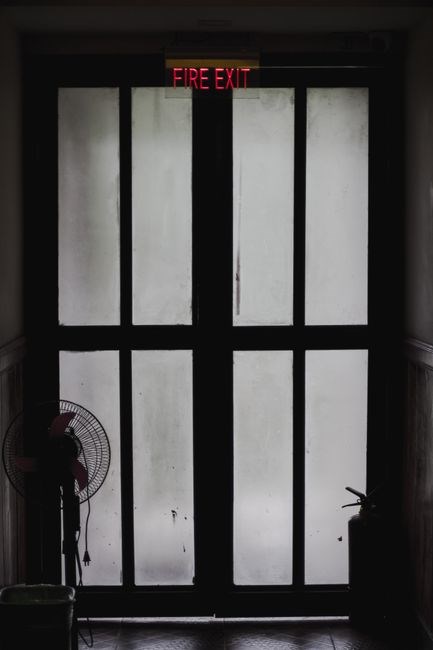
Fire door inspection ensures safety by verifying seals, hinges, and fire ratings. A PDF checklist guides inspectors through steps, noting defects and compliance. This document aligns with fire science principles, protecting occupants and property from hazardous spread for safety. now

Importance of Fire Door Inspection
Fire doors are critical barriers that prevent the spread of fire and smoke, safeguarding lives and property. Regular inspection using a detailed PDF checklist confirms that each door meets its rated performance, that hinges, seals, and locking devices function correctly, and that the door remains free of obstructions. Failure to inspect can lead to compromised fire resistance, increased evacuation times, and legal penalties. A systematic approach also identifies wear, corrosion, or misalignment early, allowing cost‑effective repairs before catastrophic failure. By documenting each inspection, facilities maintain compliance with NFPA 80, local codes, and insurance requirements, thereby reducing liability and ensuring that emergency responders can rely on intact barriers during a crisis. Continuous vigilance through scheduled checks fosters a culture of safety and demonstrates a proactive commitment to building integrity and occupant protection.
- Verify door closes without obstruction.
- Check hinges for smooth operation and proper lubrication.
- Inspect fire seal integrity and replace if damaged.
- Confirm self‑closing device functions correctly.
- Document any deviations and schedule corrective action.
Ensuring each fire door functions as intended not only protects occupants but also maintains insurance coverage and meets regulatory standards. A thorough inspection reduces the risk of fire spread, supports emergency evacuation, and demonstrates a commitment to culture!

Fire Door Types
Fire doors are engineered to meet specific fire‑resistance ratings and are classified into several types based on construction, material, and intended use. The most common categories include structural fire doors, which are built with robust frames and fire‑rated cores to withstand high temperatures for extended periods; non‑structural fire doors, designed for interior partitions where the door itself does not support building loads but still provides a fire barrier; and fire‑stop doors, which incorporate additional sealing systems to prevent smoke and heat from leaking through gaps. Each type is further differentiated by the type of core—solid, hollow, or composite—and by the presence of self‑closing devices, hinges, and locking mechanisms that must be inspected regularly. Structural doors often feature metal frames and fire‑resistant glass or fire‑resistant panels, while non‑structural doors may use timber or composite panels with fire‑resistant coatings. Fire‑stop doors typically include a fire‑stop seal that expands when exposed to heat, closing any voids around the door frame. Proper identification of the door type is essential for selecting the correct inspection checklist, as the required tests and documentation vary with construction and rating. Understanding these distinctions helps inspectors focus on critical components such as the door core, frame integrity, and sealing systems, ensuring that each door performs its intended protective function during a fire event. In addition, some buildings employ special fire doors with integrated smoke‑gates or automatic closing mechanisms that require unique maintenance protocols. The choice between a single‑panel or multi‑panel door can also influence the inspection process, as multi‑panel doors may have additional hinges and seals that need to be verified. Finally, the installation environment—such as high‑humidity areas or corrosive atmospheres—can dictate the selection of specific door types and materials, further emphasizing the need for a detailed PDF checklist that addresses environmental factors and material compatibility. By mastering the nuances of each fire door type, facilities can maintain compliance with NFPA 80, local codes, and insurance requirements while safeguarding occupants and property from fire and smoke hazards. Regular audits confirm that every door remains compliant, thereby reducing liability and enhancing overall safety culture.

Inspection Frequency
Fire door inspection schedules are dictated by national standards, local codes, and the specific risk profile of a facility. NFPA 80 mandates a baseline of at least one comprehensive inspection each calendar year, with a focus on door core integrity, frame alignment, and self‑closing device functionality. Many jurisdictions, however, impose stricter timelines: high‑rise residential buildings often require quarterly checks, while industrial sites with hazardous materials may demand inspections every 90 days. In addition to the annual or quarterly cycle, the checklist should trigger an immediate review whenever a door is repaired, replaced, or subjected to a fire event, as these actions can compromise the door’s fire‑resistance rating. The PDF checklist typically includes a calendar field where inspectors log the date of the last inspection, the next scheduled date, and any deviations from the standard interval. By maintaining a rolling log, facilities can demonstrate compliance during audits and quickly identify doors that fall behind schedule. It is also prudent to perform a visual inspection after any significant structural change—such as the addition of a new wall, the removal of a fire barrier, or the installation of a new HVAC system—because these alterations can affect the door’s performance. Finally, a risk‑based approach recommends that high‑traffic areas, such as stairwell entrances, be inspected more frequently than low‑traffic zones, ensuring that the most critical barriers remain fully operational. Adhering to a well‑documented inspection frequency plan not only satisfies regulatory requirements but also enhances overall safety by preventing door failure when it matters most.

Checklist Overview
Comprehensive PDF checklist covers door seals, hinges, self‑closing devices, and fire‑resistance rating. Inspect for gaps, misalignments, and proper labeling. Record findings, assign action items, and schedule follow‑ups to maintain compliance Ensure compliance with NFPA80
Key Components of the PDF Checklist
Fire door inspection PDFs guide evaluators through a systematic review of each element contributing to a door’s fire‑resistance performance. Core components include:
- Door and Frame Integrity: Visual and tactile checks for cracks, warping, or misalignment that could compromise the seal.
- Hinge and Hardware Verification: Hinges are free of corrosion, and that the door swings without obstruction.
- Self‑Closing Mechanism: Testing the door’s to ensure it closes within the required time and holds position.
- Fire‑Seal Condition: Inspection of the fire‑seal strip for wear, gaps, or displacement that might allow smoke or flame passage.
- Fire‑Resistance Rating: Verification that the door’s rating matches the building code requirements for the specific compartment.
- Labeling and Documentation: Checking that all fire rating labels are legible, correctly positioned, and that inspection records are complete.
- Compliance with Standards: Cross‑referencing findings against NFPA 80, local codes, and manufacturer specifications.
- Corrective Action Plan: Recording any deficiencies, assigning responsibility, and scheduling remediation.
Additional notes: Ensure all hardware is calibrated, verify door alignment, and confirm that the self‑closing device operates within the specified time. Record any deviations and schedule corrective actions promptly.
Each item is scored, allowing inspectors to identify non‑compliance and prioritize repairs. The PDF format ensures consistency across sites and simplifies audit trails for safety managers.
Step-by-Step Inspection Process
Begin by gathering the PDF checklist and ensuring all required tools—tape measure, flashlight, and a fire‑seal tester—are on hand. Follow the sequence below for a thorough audit:
- Visual Scan: Inspect the door for damage, cracks, or warping; note obstructions that may impede closure. Ensure the door closes fully.
- Hinge Check: Verify hinges free of rust, properly aligned, and that the door swings smoothly. Check for loose panels.
- Self‑Closing Mechanism: Test door closing speed; adjust or replace if it fails. Verify device calibration.
- Fire‑Seal Inspection: Check seal strip for gaps, wear, or displacement; use flashlight to spot breaches. Replace compromised strips.
- Label Verification: Ensure fire‑rating label is intact, legible, and positioned correctly. Replace missing label.
- Measurement: Measure door thickness, frame clearance, and clearance between door and jamb. Check jamb square.
- Documentation: Record findings in PDF, marking pass/fail for each criterion. Note corrective dates.
- Final Review: Cross‑check results against NFPA 80 and local codes; confirm deficiencies are addressed; Sign final review.
Follow these steps compliance and safeguard occupants now.!
Adhering to this structured approach guarantees that each fire door meets safety standards and provides reliable protection during emergencies.

Common Issues to Look For
During a fire door audit, inspectors focus on a handful of recurring defects that can compromise performance. The most frequent problems include:
- Gaps or cracks around the jamb that allow heat and smoke to bypass the barrier, often caused by frame movement or settling.
- Worn or broken fire‑seal strips that lose their integrity after repeated use, leading to leakage of smoke and hot gases.
- Misaligned frames that prevent the door from closing fully or cause uneven pressure, which can force the seal open.
- Missing or illegible fire‑rating labels, which are required for verification of compliance and can result in legal penalties.
- Warped or bowed door panels that impede proper closure and seal contact.
- Paint or surface damage that indicates underlying structural issues.
- Improper installation of fire doors in stairwell or exit enclosures, leading to misalignment with fire doors or doors that do not meet clearance requirements.
- Failure to maintain clearance between the door and the floor or ceiling, which can allow smoke to flow.
Identifying these issues early enables corrective action before a fire, ensuring the door protects occupants. Record each finding in the PDF checklist with a description, photo evidence, and repair plan.
Document using the PDF template: note location, severity, repair timeline; Include NFPA 80 references. This ensures traceability and future audits.
Regular monitoring of these common issues not only satisfies regulatory obligations but also builds confidence among building occupants and stakeholders.
Act now.
Fire door inspections not only protect life but also extend the lifespan of the door by identifying wear before it becomes a hazard. A well maintained door reduces maintenance costs and prevents downtime during emergencies. Regular checks demonstrate due diligence insurers and regulators.

Documentation and Record Keeping
Effective record keeping is the backbone of a compliant fire door program. Each inspection should be logged in a standardized PDF form that captures date, inspector, door location, and a concise summary of findings. The PDF template must include a section for photographic evidence, a checklist of inspected components, and a space for corrective actions; All entries should be timestamped and signed electronically to meet NFPA 80 and local code requirements. Digital records enable quick retrieval during audits, insurance reviews, or incident investigations. A centralized database or cloud‑based system can store scanned PDFs, images, and maintenance logs, ensuring data integrity and accessibility. Regular backups protect against data loss, while version control tracks changes to the inspection criteria over time. When a defect is identified, the record should link to a work order that assigns responsibility, sets a due date, and documents completion. Closing the loop by marking the issue as resolved and re‑inspecting the door confirms compliance. Periodic reviews of the documentation audit trail help identify trends, such as recurring gaps or seal failures, allowing proactive maintenance strategies. Maintaining a complete, accurate, and up‑to‑date archive not only satisfies regulatory audits but also provides a valuable resource for safety teams, facility managers, and insurance underwriters. In short, documentation turns inspection data into actionable insight and safeguards the building’s fire protection integrity. These records also aid insurance claims and emergency planning daily now.
Training and Qualifications
Fire door inspectors must possess a blend of formal education, hands‑on experience, and ongoing professional development. A foundational background in fire science, building construction, or a related discipline provides the technical knowledge needed to interpret NFPA 80 and local codes. Many jurisdictions require inspectors to hold a valid fire inspection license or certification issued by a recognized body such as the International Fire Service Accreditation Congress (IFAC) or the National Fire Protection Association (NFPA). These credentials demonstrate competency in fire door types, ratings, and the mechanical systems that govern their operation; In addition to formal qualifications, practical training is essential. Training programs often include a module on the interpretation of the PDF inspection checklist, ensuring that each field is completed accurately and consistently. Inspectors should also be familiar with the latest updates to NFPA 80, as revisions can alter testing methods, acceptable materials, and reporting requirements. Ongoing education is critical to maintaining expertise. Many professionals attend annual refresher courses, webinars, or industry conferences to stay current with evolving standards, emerging technologies, and best practices. Continuing education credits are typically required to renew certifications and to demonstrate a commitment to professional growth. By combining formal credentialsand learning, inspectors can deliver inspections that protect occupantsand property daily.

Maintenance After Inspection
After completing a fire door inspection, a systematic maintenance routine ensures the door’s continued performance and compliance. First, address any defects noted in the PDF checklist—tighten loose hinges, replace damaged seals, and realign frames. Next, apply a fresh coat of fire‑rated paint or sealant if the door’s finish has degraded, as this protects the underlying material from heat and smoke. Inspect the automatic closing device, if present, and verify that it operates within the manufacturer’s specified time limits; replace any malfunctioning components. Clean the door jamb and threshold to remove debris that could impede the door’s ability to close fully. Perform a functional test by opening and closing the door several times, confirming that the latch engages securely and that the door remains self‑closing. Record all maintenance actions in the logbook, noting dates, parts replaced, and any follow‑up actions required. Schedule periodic re‑inspection intervals as mandated by local codes, and update the PDF checklist accordingly. By following these steps, facilities can reduce the risk of fire spread, maintain code compliance, and extend the lifespan of fire doors. Additionally, a maintenance log can trigger alerts when a door fails to close within the required time, action. Calibration of closing force ensures compliance with manufacturer specs, preventing wear. When a door is replaced, the new unit must be inspected for proper installation, and removal documented to maintain traceability.!

Legal and Regulatory Requirements
Fire door compliance is governed by a mosaic of statutes, codes, and standards that vary by jurisdiction but share common themes of safety, documentation, and accountability. The National Fire Protection Association’s NFPA 80 provides the baseline for fire door construction, performance, and testing, while the International Building Code (IBC) and International Fire Code (IFC) embed those requirements into building design and permitting processes. OSHA’s 29 CFR 1910.303 and 29 CFR 1910.305 mandate that employers maintain fire doors in a functional condition, and they require periodic inspections documented in a written log; Many states adopt the Uniform Fire Prevention and Building Code (UFPBC) or the International Fire Code, which specify inspection intervals—often annually for high‑risk occupancies and biennially for lower‑risk settings. Local fire marshal offices may impose additional frequency or record‑keeping requirements, such as a signed inspection report within 30 days of the inspection date. Urban Development (HUD) also reference fire door integrity in their guidance for disaster‑preparedness and rental housing. Compliance documentation must be stored for a minimum of five years, and electronic PDFs are acceptable if they are tamper‑evident and backed up. Failure to meet these legal obligations can result in fines, civil liability, or criminal charges if a fire door failure contributes to injury or loss. Therefore, a PDF inspection checklist should align with NFPA 80, IBC/IFC, OSHA, and local codes, and it must be updated whenever standards change or new regulations are enacted. Maintaining a rigorous inspection schedule, accurate record‑keeping, and timely corrective action is essential to uphold the legal framework that protects life, property, and public trust
Fire door inspection is a cornerstone of building safety, integrating engineering, regulatory compliance, and proactive maintenance. A well‑structured PDF checklist translates complex standards—NFPA 80, IBC, OSHA, and local fire marshal directives—into actionable steps that inspectors can follow consistently. By documenting each component, from hinges to fire‑resistance rating, and recording any deviations, facilities demonstrate accountability and reduce liability. Regular inspections also extend the life of doors, preventing costly replacements and ensuring that fire barriers perform when needed. Moreover, the digital format of a PDF allows for easy distribution, version control, and integration with electronic asset management systems, enhancing traceability across multiple sites. When combined with proper training, clear documentation, and timely repairs, the checklist becomes a powerful tool that protects occupants, preserves property, and satisfies legal obligations. Ultimately, a disciplined inspection regime, supported by a comprehensive PDF guide, is an investment in safety that yields measurable benefits for everyone involved. In practice, the checklist should be reviewed and updated whenever building modifications occur, new fire codes are adopted, or when a door fails to meet its rated performance; this proactive approach ensures continuous compliance and minimizes the risk of fire spread during emergencies. Using QR‑coded checklists and cloud logs, facilities streamline reporting and swiftly fix now daily deficiencies!!